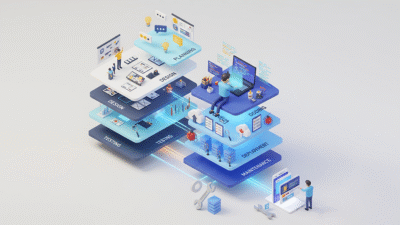
Cyber threats are evolving faster than ever, making cybersecurity a critical priority for every business in 2026. From AI-powered phishing attacks and ransomware to cloud vulnerabilities and insider threats, organizations face increasingly sophisticated risks every day. The good news is that proactive security measures can significantly reduce your exposure.
By implementing zero-trust security, multi-factor authentication, regular security audits, employee cybersecurity training, endpoint protection, and reliable data backup strategies, businesses can stay resilient against modern cyberattacks. In this article, you’ll discover the latest cybersecurity trends, practical best practices, and actionable steps to protect your sensitive data, customers, and business operations. Learn how to strengthen your digital defenses and build a secure, future-ready organization in today’s rapidly changing cyber landscape.
Table of Contents
- Introduction
- The Biggest Cyber Threats Businesses Face in 2026
- Build a Zero-Trust Security Strategy
- Strengthen Access with Multi-Factor Authentication (MFA)
- Secure Your Cloud Infrastructure
- Protect Endpoints and Remote Workforces
- Train Employees to Recognize Cyber Threats
- Defend Against Phishing and Social Engineering
- Future Cybersecurity Trends Beyond 2026
- Conclusion
1. Introduction
The digital landscape has evolved dramatically over the past decade, and with it, cyber threats have become more advanced, frequent, and damaging than ever before. In 2026, businesses of every size from startups and SMEs to multinational enterprises are increasingly dependent on cloud computing, artificial intelligence, IoT devices, and remote work environments. While these technologies boost productivity and innovation, they also create new opportunities for cybercriminals.
Modern cyberattacks are no longer limited to large corporations. Small and medium-sized businesses have become prime targets because attackers often view them as easier to compromise due to weaker security measures. A single cyberattack can result in financial losses, operational downtime, reputational damage, legal consequences, and loss of customer trust.
Today’s attackers use AI-powered phishing campaigns, ransomware-as-a-service (RaaS), deepfake technology, credential theft, and automated hacking tools to bypass traditional security systems. As cyber threats become smarter, businesses must adopt a proactive security strategy instead of simply reacting after an attack occurs.
Cybersecurity in 2026 is no longer just an IT responsibility. It is a business priority. Every employee, executive, and stakeholder plays a role in protecting valuable company data and maintaining customer confidence.
In this guide, you’ll discover the biggest cyber threats businesses face in 2026 and learn practical strategies to strengthen your organization’s defenses against modern cyberattacks.
2. The Biggest Cyber Threats Businesses Face in 2026
Cybercriminals continuously adapt their tactics to exploit emerging technologies and vulnerabilities. Understanding today’s threat landscape is the first step toward building effective cybersecurity defenses.
1) AI-Powered Phishing Attacks
Artificial intelligence has transformed phishing into one of the most dangerous cyber threats.
Attackers now use AI to create highly personalized emails, fake invoices, cloned websites, and convincing chat conversations that closely resemble legitimate communication. Employees often struggle to distinguish these sophisticated scams from genuine messages.
These attacks aim to steal login credentials, financial information, or confidential business data.
How to reduce the risk:
- Verify unexpected requests through another communication channel.
- Use email filtering solutions.
- Enable Multi-Factor Authentication (MFA).
- Conduct regular phishing awareness training.
2) Ransomware-as-a-Service (RaaS)
Ransomware remains one of the costliest cyber threats in 2026.
Instead of developing malware themselves, criminals now purchase ready-made ransomware kits through underground marketplaces. This business model has dramatically increased the number of ransomware attacks worldwide.
Once inside a network, ransomware encrypts business-critical files and demands payment in cryptocurrency for their release.
Many organizations suffer days or even weeks of downtime following an attack.
Prevention tips
- Maintain offline backups.
- Patch vulnerabilities quickly.
- Restrict administrator privileges.
- Monitor unusual network activity.
- Test disaster recovery procedures regularly.
3) Supply Chain Attacks
Businesses increasingly rely on third-party software vendors, cloud providers, payment processors, and IT partners.
Hackers often target these trusted suppliers instead of attacking businesses directly.
If one vendor is compromised, attackers may gain access to hundreds or thousands of customer organizations simultaneously.
This type of attack has become increasingly common because it provides a much larger return for cybercriminals.
Businesses should regularly assess vendor security practices before granting access to sensitive systems.
4) Insider Threats
Not every cybersecurity threat comes from outside the organization.
Employees, contractors, and former staff members may accidentally or intentionally expose confidential business information.
Common insider threats include:
- Weak passwords
- Sharing confidential documents
- Using unauthorized software
- Connecting personal devices
- Mishandling customer information
Regular employee education and least-privilege access significantly reduce insider risks.
5) Cloud Security Risks
Cloud adoption continues to grow rapidly in 2026. However, misconfigured cloud storage, weak identity management, exposed APIs, and poor access controls remain major causes of data breaches.
Organizations must remember that cloud security is a shared responsibility between the cloud provider and the customer. Without proper configuration, even the most secure cloud platforms can expose sensitive business data.
6) Deepfake Business Fraud
Generative AI has introduced a new category of cybercrime. Attackers now create realistic audio and video deepfakes that imitate CEOs, managers, or executives.
Employees may receive fake video meetings or voice calls instructing them to approve financial transfers or disclose confidential information. Businesses should establish verification procedures for all high-value financial transactions.
7) Internet of Things (IoT) Vulnerabilities
Smart devices continue expanding across offices, warehouses, healthcare facilities, and manufacturing environments. Unfortunately, many IoT devices receive infrequent security updates and use weak default passwords.
Compromised IoT devices can provide attackers with access to corporate networks. Organizations should isolate IoT devices from critical business infrastructure whenever possible.
3. Build a Zero-Trust Security Strategy
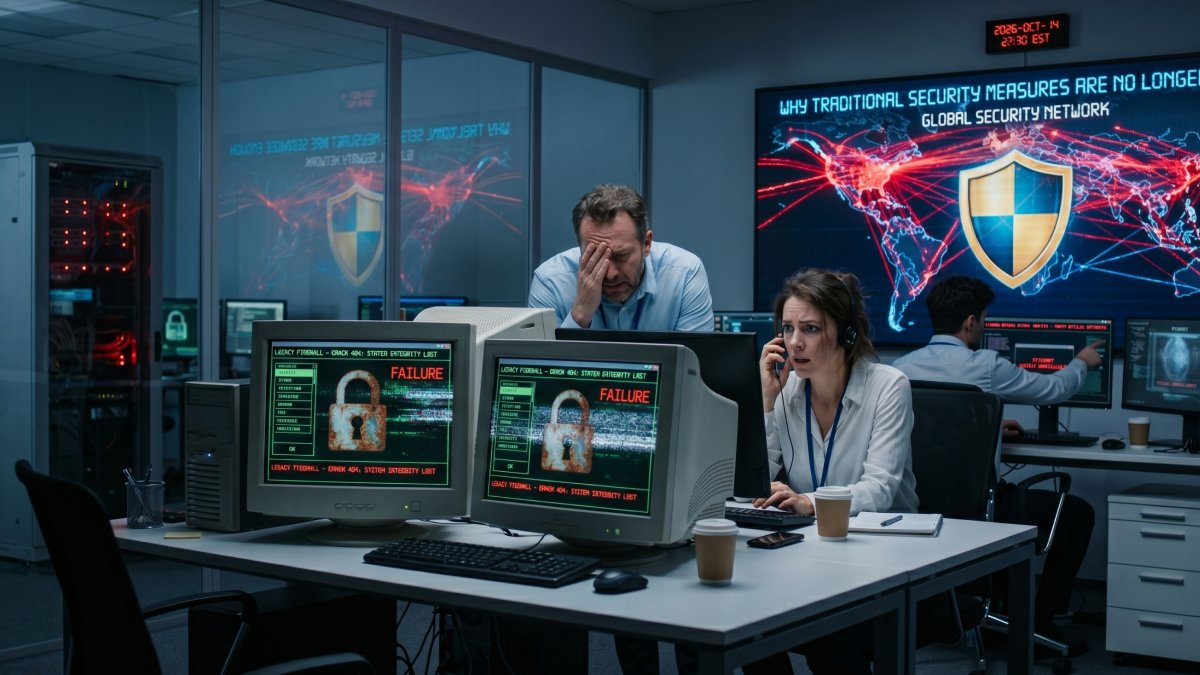
Traditional cybersecurity models assumed that anything inside the corporate network could be trusted. Modern organizations operate across cloud environments, hybrid offices, mobile devices, and remote workforces.
Zero Trust follows one simple principle:
Every user, device, and application must continuously prove its identity before accessing business resources.
Instead of granting unlimited access after login, Zero Trust verifies every request throughout the session.
Core Principles of Zero Trust
1) Verify Every Identity
Every login attempt should be authenticated regardless of the user’s location.
This includes:
- Employees
- Contractors
- Vendors
- Third-party partners
- Applications
- Devices
2) Least Privilege Access
Employees should only receive access necessary to perform their jobs.
For example:
- HR staff shouldn’t access financial systems.
- Developers shouldn’t access payroll records.
- Marketing teams shouldn’t access customer databases unless required.
Limiting permissions reduces the damage caused by compromised accounts.
3) Continuous Monitoring
Authentication shouldn’t stop after login.
Modern security platforms continuously evaluate:
- User behavior
- Device health
- Login location
- Network activity
- Risk score
Suspicious behavior can trigger additional verification or automatically block access.
4) Network Segmentation
Rather than allowing unrestricted communication across the network, organizations divide infrastructure into secure zones.
If attackers compromise one system, segmentation prevents them from moving laterally across the organization.
5) Benefits of Zero Trust
Organizations implementing Zero Trust experience several advantages:
- Reduced attack surface
- Stronger protection against ransomware
- Better cloud security
- Improved regulatory compliance
- Faster threat detection
- Reduced insider risk
- Enhanced remote workforce security
Zero Trust is no longer reserved for large enterprises. Affordable cloud-based security solutions now make this model accessible to businesses of all sizes.
4. Strengthen Access with Multi-Factor Authentication (MFA)
Passwords alone are no longer sufficient to protect business accounts. Cybercriminals routinely obtain passwords through phishing attacks, credential leaks, malware, and brute-force attacks.
Multi-Factor Authentication (MFA) adds an additional layer of protection by requiring users to verify their identity using two or more authentication methods.
Common authentication factors include:
- Something you know (password or PIN)
- Something you have (mobile device or security key)
- Something you are (fingerprint or facial recognition)
Even if an attacker steals a password, they still cannot access the account without the second authentication factor.
Where MFA Should Be Enabled
Businesses should prioritize MFA for:
- Email accounts
- Cloud storage platforms
- VPN access
- Financial systems
- CRM software
- HR management systems
- Project management tools
- Administrator accounts
Securing these high-value systems dramatically reduces the likelihood of unauthorized access.

5. Secure Your Cloud Infrastructure
Cloud computing has become the backbone of modern businesses, powering everything from collaboration tools and customer relationship management (CRM) systems to enterprise applications and data storage. While cloud platforms offer flexibility, scalability, and cost savings, they also introduce unique security challenges. A single misconfigured storage bucket, exposed API, or weak user credential can lead to a significant data breach.
Protecting your cloud infrastructure starts with understanding the shared responsibility model. Cloud providers secure the underlying infrastructure, but businesses remain responsible for protecting their data, applications, identities, and access controls.
Best Practices for Cloud Security
1) Enable Strong Identity and Access Management (IAM)
Restrict user permissions based on job responsibilities. Grant employees only the access they need to perform their tasks and regularly review permissions to remove unnecessary privileges.
2) Encrypt Data Everywhere
Encryption ensures that sensitive information remains unreadable even if attackers gain access.
Encrypt:
- Data at rest
- Data in transit
- Database backups
- Cloud storage files
3) Monitor Cloud Activity Continuously
Implement Cloud Security Posture Management (CSPM) tools to detect:
- Misconfigured resources
- Unauthorized access
- Suspicious login attempts
- Compliance violations
Real-time monitoring enables security teams to respond before vulnerabilities become major incidents.
4) Secure APIs
Modern applications rely heavily on APIs to exchange data. Protect APIs by:
- Using authentication tokens
- Applying rate limiting
- Validating all incoming requests
- Monitoring API traffic
- Keeping API versions updated
5) Perform Regular Cloud Audits
Routine audits help identify:
- Unused accounts
- Excessive permissions
- Publicly exposed storage
- Outdated virtual machines
- Compliance gaps
Regular assessments ensure your cloud environment remains secure as your business grows.
6. Protect Endpoints and Remote Workforces
The shift to hybrid and remote work has expanded the number of devices connected to business networks. Every laptop, smartphone, tablet, and workstation represents a potential entry point for cybercriminals.
Endpoints are among the most frequently targeted assets because they are often used outside secure corporate environments.
Why Endpoint Security Matters
Attackers commonly exploit:
- Unpatched operating systems
- Outdated software
- Weak passwords
- Insecure Wi-Fi networks
- Lost or stolen devices
A single compromised endpoint can provide attackers with access to sensitive company systems.
Essential Endpoint Security Measures
1) Deploy Endpoint Detection and Response (EDR)
EDR solutions continuously monitor devices for suspicious behavior, automatically isolate compromised systems, and provide detailed threat investigations.
2) Keep Software Updated
Many successful attacks exploit known vulnerabilities that already have security patches available.
Enable automatic updates for:
- Operating systems
- Browsers
- Productivity software
- Security tools
- Firmware
3) Secure Remote Access
Employees working from home or while traveling should connect through secure Virtual Private Networks (VPNs) or Zero Trust Network Access (ZTNA) solutions. These technologies encrypt communications and verify user identities before granting access.
4) Manage Mobile Devices
Implement Mobile Device Management (MDM) solutions to:
- Enforce security policies
- Remotely wipe lost devices
- Require screen locks
- Control application installations
- Monitor compliance
5) Protect Against Device Theft
Every company device should include:
- Full-disk encryption
- Automatic screen locking
- Remote tracking capabilities
- Strong authentication
- Secure backups
These safeguards minimize the impact of lost or stolen equipment.

7. Train Employees to Recognize Cyber Threats
Technology alone cannot prevent every cyberattack. Human error remains one of the leading causes of security incidents. Employees who unknowingly click malicious links, reuse passwords, or share confidential information can unintentionally compromise an organization’s security.
Creating a security-aware culture is just as important as investing in advanced cybersecurity tools.
Why Employee Training Is Essential
Cybercriminals often target employees because people are easier to manipulate than well-secured systems.
Without proper training, staff members may:
- Open malicious email attachments
- Download infected software
- Fall for fake login pages
- Share confidential information
- Use weak or repeated passwords
Regular awareness training empowers employees to recognize and report suspicious activity before it becomes a serious incident.
Key Topics Every Training Program Should Cover
1) Password Security
Teach employees to:
- Create long, unique passwords
- Use password managers
- Avoid password reuse
- Never share credentials
2) Safe Internet Browsing
Employees should:
- Avoid downloading files from unknown websites
- Verify website authenticity
- Recognize HTTPS connections
- Report suspicious web pages
3) Email Security
Training should include identifying:
- Fake invoices
- Unexpected attachments
- Urgent payment requests
- Suspicious links
- Spoofed email addresses
4) Data Handling
Employees must understand:
- How to classify sensitive information
- Secure file-sharing practices
- Data retention policies
- Compliance requirements
5) Incident Reporting
Encourage employees to report suspicious activities immediately without fear of blame. Early reporting often prevents minor issues from becoming major security incidents.
Conduct Simulated Phishing Exercises
Organizations should regularly test employee awareness through controlled phishing simulations.
These exercises help:
- Measure security awareness
- Identify vulnerable departments
- Improve future training
- Build confidence in recognizing real attacks
Cybersecurity awareness should be an ongoing process rather than an annual compliance requirement.
8. Defend Against Phishing and Social Engineering
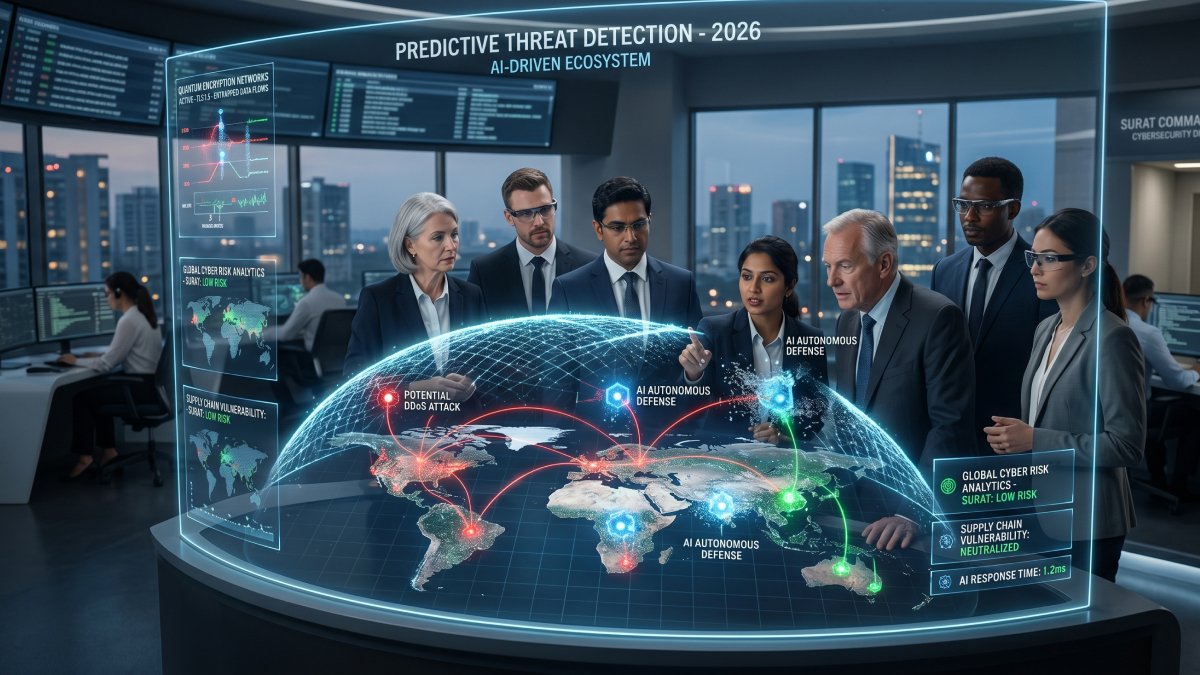
Phishing remains the most common entry point for cyberattacks in 2026. Unlike technical attacks, phishing targets human psychology by exploiting trust, urgency, and curiosity.
Modern phishing campaigns are powered by artificial intelligence, enabling attackers to create highly personalized emails, text messages, voice calls, and even video deepfakes that appear authentic.
Common Types of Phishing Attacks
1) Email Phishing
Attackers impersonate trusted organizations to trick users into revealing login credentials or financial information.
2) Spear Phishing
These attacks target specific individuals using personalized information gathered from social media, company websites, or previous data breaches.
3) Business Email Compromise (BEC)
Cybercriminals impersonate executives or business partners to request fraudulent payments or sensitive information.
4) Smishing and Vishing
Attackers use:
- SMS messages (Smishing)
- Phone calls (Vishing)
to deceive employees into sharing confidential information or installing malicious software.
How to Reduce Phishing Risks
1) Deploy Advanced Email Security
Modern email security solutions use AI to detect:
- Malicious attachments
- Suspicious links
- Domain spoofing
- Impersonation attempts
- Malware
2) Verify Sensitive Requests
Always confirm requests involving:
- Financial transfers
- Password resets
- Vendor payment changes
- Confidential documents
Use a second communication channel, such as a phone call or video meeting, before taking action.
3) Disable Automatic Macros
Many malware infections begin through malicious Office documents containing embedded macros.
Disable macros by default unless they are required and verified as safe.
4) Implement DMARC, SPF, and DKIM
These email authentication protocols help prevent attackers from spoofing your organization’s domain, reducing the likelihood of successful phishing campaigns targeting employees and customers.
5) Encourage a “Think Before You Click” Culture
Employees should pause before clicking on links or downloading attachments, especially when messages create urgency or request sensitive information.
Simple verification habits can prevent costly cyber incidents.
9. Future Cybersecurity Trends Beyond 2026
Cybersecurity is constantly evolving as technology advances, and cybercriminals develop more sophisticated attack methods. Businesses that focus only on today’s threats may find themselves unprepared for tomorrow’s challenges. To remain resilient, organizations must monitor emerging technologies, invest in modern security solutions, and adopt a proactive cybersecurity strategy.
Below are some of the key cybersecurity trends expected to shape the years beyond 2026.
AI-Powered Cybersecurity Will Become the Standard
Artificial Intelligence (AI) is transforming both cyberattacks and cybersecurity. While attackers use AI to automate phishing campaigns, generate malware, and exploit vulnerabilities, security teams are leveraging AI to detect and respond to threats faster than ever before.
AI-powered security platforms can:
- Analyze millions of security events in real time
- Detect unusual user behavior
- Identify malware before execution
- Predict potential attack paths
- Automate incident response
- Reduce false-positive security alerts
Businesses that adopt AI-driven security tools will significantly improve their ability to detect and contain threats before they cause damage.
Passwordless Authentication Will Replace Traditional Passwords
Passwords remain one of the weakest links in cybersecurity.
In the coming years, organizations will increasingly replace passwords with passwordless authentication methods such as:
- Passkeys
- Biometric authentication
- Hardware security keys
- Facial recognition
- Fingerprint scanning
- Device-based authentication
Passwordless systems reduce credential theft, eliminate password reuse, and improve the user experience while strengthening overall security.
Zero Trust Will Become a Business Requirement
Zero Trust security is rapidly becoming the default cybersecurity framework for organizations of all sizes. As businesses continue adopting hybrid work environments and cloud-based applications, traditional perimeter-based security models will become obsolete.
Future Zero Trust implementations will include:
- Continuous identity verification
- Device health assessments
- Risk-based access decisions
- AI-powered behavioral analytics
- Micro-segmentation of business networks
Organizations that embrace Zero Trust will be better equipped to defend against insider threats, ransomware, and unauthorized access.
Extended Detection and Response (XDR)
Cybersecurity tools often operate independently, making it difficult to identify complex attacks.
Extended Detection and Response (XDR) addresses this challenge by integrating security data from multiple sources, including:
- Endpoints
- Email systems
- Cloud platforms
- Identity providers
- Networks
- Servers
By correlating information across the entire IT environment, XDR provides faster detection, streamlined investigations, and automated responses to sophisticated cyber threats.
Stronger Supply Chain Security
Businesses increasingly rely on third-party vendors, software providers, and cloud services. As supply chain attacks become more common, organizations will place greater emphasis on evaluating the cybersecurity of posture of external partners.
Future best practices will include:
- Vendor risk assessments
- Continuous security monitoring
- Software Bill of Materials (SBOM)
- Third-party compliance audits
- Secure software development practices
A secure supply chain reduces the risk of indirect attacks that can compromise multiple organizations at once.
Quantum-Resistant Encryption
Quantum computing has the potential to break up many of today’s encryption methods. Although large-scale quantum attacks are not yet common, businesses should begin preparing for the future.
Security experts are developing post-quantum cryptography, which uses encryption algorithms designed to withstand attacks from quantum computers. Organizations handling sensitive financial, healthcare, government, or intellectual property data should monitor developments in quantum-resistant security standards.
Increased Cybersecurity Regulations
Governments around the world continue introducing stricter cybersecurity and privacy laws to protect businesses and consumers.
Future regulations are expected to require organizations to:
- Strengthen data protection practices
- Report security incidents more quickly
- Conduct regular security audits
- Improve third-party risk management
- Demonstrate compliance with industry standards
Businesses that invest in cybersecurity today will be better positioned to meet evolving regulatory requirements while building trust with customers and partners.
Cybersecurity Will Become Everyone’s Responsibility
The future of cybersecurity extends beyond IT departments. Every employee from interns to executives will play an active role in protecting organizational assets.
Businesses will increasingly invest in:
- Continuous security awareness programs
- Executive cybersecurity training
- Security-first workplace culture
- Cross-functional incident response planning
Creating a culture where everyone understands their role in cybersecurity is one of the most effective long-term defenses against modern threats.
10. Conclusion
Cyber threats in 2026 are more advanced, automated, and persistent than ever before. From AI-powered phishing campaigns and ransomware attacks to cloud vulnerabilities and insider threats, businesses face a constantly evolving risk landscape. Waiting until an attack occurs is no longer a viable strategy. Instead, organizations must adopt a proactive approach that combines modern technology, strong security policies, and continuous employee education.
Implementing a Zero Trust architecture, enabling Multi-Factor Authentication (MFA), securing cloud infrastructure, protecting endpoints, and training employees are essential steps toward building a resilient cybersecurity framework. Equally important is staying informed about emerging trends such as AI-driven security, password less authentication, Extended Detection and Response (XDR), and quantum-resistant encryption.
Cybersecurity is not a one-time project. It is an ongoing business investment. Organizations that regularly assess risks, update security measures, and foster a culture of awareness will be better prepared to defend against future cyber threats while maintaining customer trust and business continuity. By making cybersecurity a strategic priority today, your business can confidently navigate the digital landscape of 2026 and beyond.