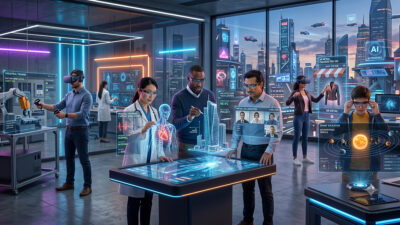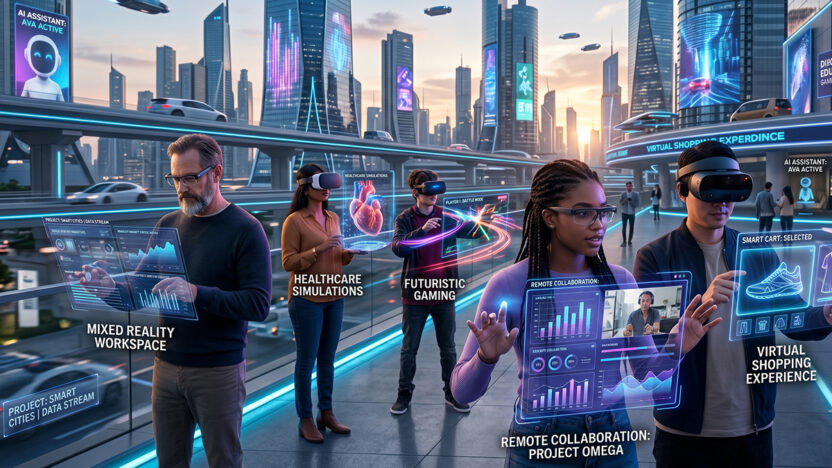
The future of AR and VR is set to transform industries by creating more immersive, interactive, and intelligent digital experiences. Over the next five years, advancements in hardware, AI integration, spatial computing, and connectivity will drive wider adoption across gaming, healthcare, education, retail, and enterprise solutions. AR and VR technologies are expected to deliver more realistic simulations, improved collaboration tools, and personalized user experiences. Businesses will increasingly use immersive technologies for training, remote work, customer engagement, and product visualization. Understanding these emerging trends helps organizations and developers prepare for the next wave of innovation in the rapidly evolving AR/VR landscape.
Table of Contents:
1. Introduction
2. Why the Next 5 Years Will Be Critical for AR/VR
3. Smarter and Lighter AR/VR Devices
4. AR/VR in Gaming and Entertainment
5. Virtual Workspaces and Remote Collaboration
6. AR in Retail, Fashion, and E-Commerce
7. The Growth of the Metaverse Ecosystem
8. Security, Privacy, and Ethical Concerns
9. Major Challenges AR/VR Must Overcome
10. Conclusion
1. Introduction
Augmented Reality (AR) and Virtual Reality (VR) technologies are no longer science fiction concepts or niche innovations reserved for gamers and tech enthusiasts. They are becoming a central part of digital transformation strategies across industries worldwide. Businesses are increasingly investing in immersive technologies to improve customer experiences, employee training, product visualization, remote collaboration, and entertainment.
The global interest in AR/VR has accelerated significantly in recent years due to advancements in hardware capabilities, artificial intelligence, cloud computing, spatial computing, and 5G connectivity. Major technology companies are investing billions into immersive experiences, wearable devices, and metaverse-related ecosystems. As these technologies become more affordable and accessible, AR and VR are expected to transition from experimental tools into everyday consumer and enterprise solutions.
The next five years are likely to be especially important because the industry is reaching a tipping point. Improvements in device performance, lighter hardware, AI integration, and real-world applications are driving widespread adoption. Businesses are discovering practical use cases that deliver measurable value, while consumers are becoming increasingly comfortable with immersive digital interactions.
Understanding the future direction of AR and VR is essential for businesses, developers, marketers, and consumers who want to stay ahead in an increasingly immersive digital economy. In this blog, we will explore the most important AR/VR trends expected to dominate the next five years and examine how these innovations could transform industries and society.
2. Why the Next 5 Years Will Be Critical for AR/VR
The next five years are expected to become a turning point for AR and VR technologies due to several converging factors. While immersive technologies have existed for decades, recent technological advancements are finally making them practical, scalable, and commercially viable for widespread adoption.
One of the biggest reasons for this critical period is the rapid improvement in hardware performance. Earlier AR/VR devices were often bulky, expensive, and uncomfortable for long-term use. Today, companies are developing lighter, more powerful, and user-friendly headsets and smart glasses that provide better experiences with improved battery life and higher-resolution displays.
Artificial Intelligence is also playing a crucial role in shaping the future of AR and VR. AI-powered systems can improve motion tracking, object recognition, voice interactions, and user personalization. This combination of AI and immersive technology creates smarter and more adaptive experiences.
Businesses are increasingly recognizing the commercial value of AR/VR applications. Industries such as healthcare, manufacturing, education, and retail are already using immersive technologies to enhance training, reduce costs, and improve customer engagement. As practical use cases continue to grow, enterprise adoption is expected to increase rapidly.
Several key reasons make the next five years especially important:
- Increased investment from major technology companies
- Growing consumer demand for immersive experiences
- Improvements in wearable device design
- Expansion of metaverse-related platforms
- Better internet infrastructure through 5G
- AI-powered immersive applications
- Greater enterprise adoption across industries
The next five years may determine whether AR and VR become as common and essential as smartphones and social media platforms are today.
3. Smarter and Lighter AR/VR Devices
One of the biggest trends shaping the future of AR and VR is the evolution of hardware. Early VR headsets were often large, heavy, and difficult to wear for extended periods. Many AR devices also struggled with limited battery life and processing power. However, the industry is moving toward smarter, lighter, and more comfortable wearable devices.
Future AR/VR hardware will focus heavily on user comfort and portability. Consumers want devices that can seamlessly integrate into their daily lives without feeling intrusive or cumbersome. This demand is driving innovation in several areas.
Key Advancements in AR/VR Hardware:
1) Lightweight Headsets
Manufacturers are developing compact designs using advanced materials that reduce weight while improving durability.
2) Better Display Technology
Future devices will offer:
- Higher resolutions
- Wider fields of view
- Improved brightness
- More realistic visuals
These improvements will make virtual experiences more immersive and reduce issues like motion sickness.
3) Extended Battery Life
Battery efficiency is becoming a major focus area. Future AR glasses and VR headsets are expected to support longer usage times without frequent charging.
4) AI-Powered Interaction
AI integration will improve:
- Voice commands
- Gesture recognition
- Eye tracking
- Personalized experiences
5) Wireless Connectivity
The future of immersive devices is wireless. Reduced dependence on cables will improve mobility and convenience.
4. AR/VR in Gaming and Entertainment
Gaming has been one of the biggest drivers of VR adoption, and it will continue to play a major role in the future of immersive technology. However, the entertainment industry is expanding far beyond traditional gaming experiences.
The Evolution of Immersive Gaming
Future gaming experiences will become:
- More interactive
- More social
- More realistic
- AI-enhanced
Players will interact with highly detailed virtual worlds that respond dynamically to their actions. Haptic feedback, motion tracking, and spatial audio will make experiences feel increasingly lifelike.
Cloud Gaming and VR
Cloud-based gaming services combined with VR could eliminate the need for expensive gaming hardware. Users may stream immersive experiences directly through lightweight devices.
AR in Mobile Gaming
AR gaming will also continue growing. Games that blend digital elements with the physical environment can create highly engaging experiences.
Virtual Concerts and Events
Entertainment companies are increasingly experimenting with virtual concerts, sports events, and digital performances. VR platforms can allow people from around the world to attend events together in immersive environments.
Immersive Storytelling
Movies and interactive storytelling experiences are expected to evolve significantly. Viewers may eventually become active participants inside stories rather than passive audiences.
Future Entertainment Trends
- VR theme parks
- Interactive live sports viewing
- AI-generated virtual characters
- Immersive social platforms
- Mixed reality entertainment
The entertainment industry is likely to become one of the largest adopters of immersive technologies over the next five years.
5. Virtual Workspaces and Remote Collaboration
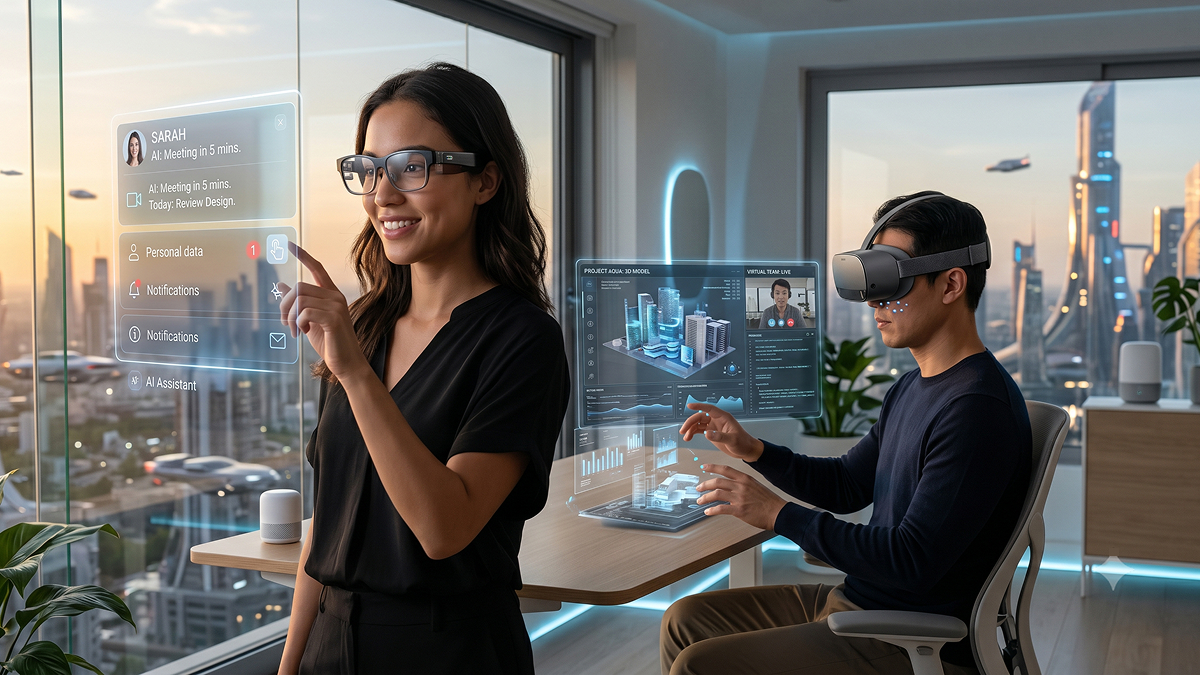
The rise of remote work has accelerated demand for better virtual collaboration tools. AR and VR technologies are expected to redefine digital workplaces by creating immersive environments that simulate physical office interactions.
Traditional video conferencing tools often lack the sense of presence and engagement found in face-to-face meetings. VR workspaces can create virtual offices where employees interact using avatars in shared digital environments.
Benefits of Virtual Workspaces
1) Improved Collaboration: Teams can collaborate in 3D environments, interact with virtual objects, and brainstorm more effectively.
2) Enhanced Training: Companies can provide immersive training simulations for employees in industries such as healthcare, aviation, and manufacturing.
3) Reduced Travel Costs: Virtual meetings and conferences may significantly reduce business travel expenses.
4) Global Workforce Connectivity: Immersive workspaces allow organizations to connect distributed teams more naturally.
AR in Industrial Workflows
AR is also transforming workplaces by providing real-time digital overlays for workers. Examples include:
- Maintenance instructions
- Warehouse navigation
- Equipment diagnostics
- Hands-free technical support
- The Future of Remote Work
Over the next five years:
- Virtual offices may become more common
- Digital avatars could replace traditional video calls
- Immersive collaboration platforms will evolve rapidly
- AI assistants may operate inside virtual workspaces
Remote collaboration powered by AR and VR may become a standard part of modern business operations.
6. AR in Retail, Fashion, and E-Commerce
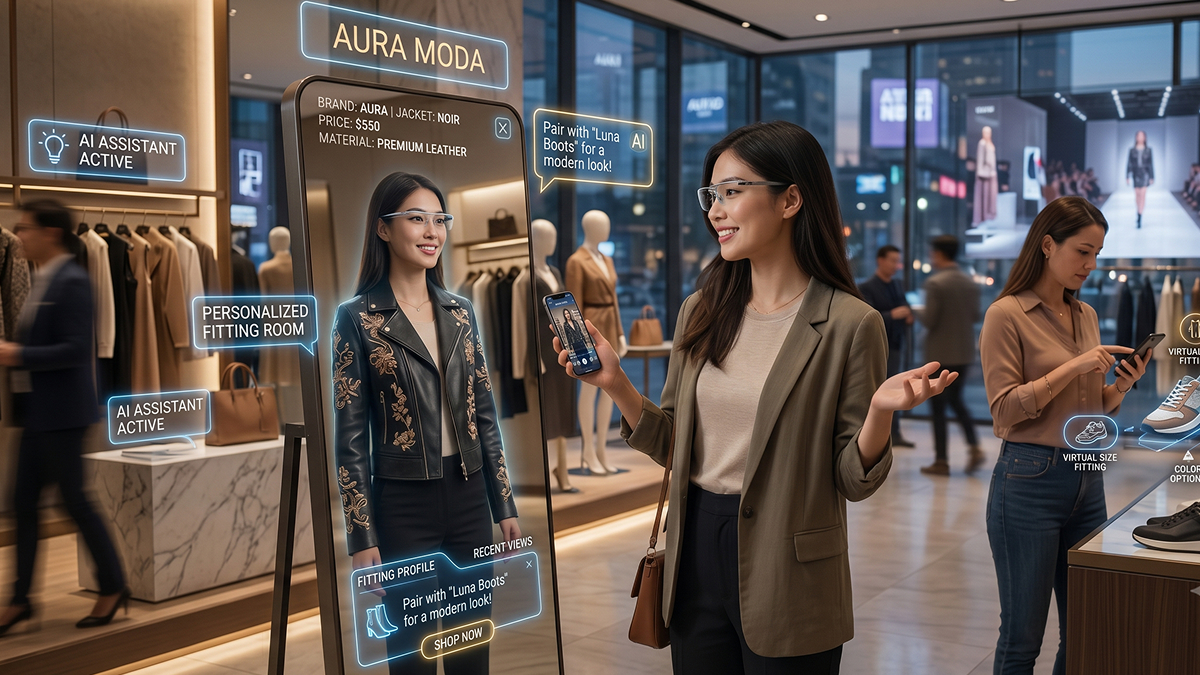
AR is rapidly transforming the shopping experience by helping consumers visualize products before purchasing them.
Virtual Try-On Experiences
Customers can use AR to:
- Try on clothes virtually
- Test makeup products
- Preview furniture placement
- View accessories in real time
This improves purchasing confidence and reduces return rates.
Personalized Shopping Experiences
AI and AR together can create highly personalized retail experiences based on user preferences and shopping behavior.
Immersive E-Commerce Stores
Virtual shopping malls and immersive digital stores may become more common. Consumers could browse products in 3D environments from home.
Benefits for Businesses
- Higher customer engagement
- Better product visualization
- Increased conversion rates
- Improved brand experiences
- Fashion Industry Innovation
Fashion brands are already experimenting with:
- Digital clothing
- Virtual fashion shows
- AR mirrors
- Metaverse fashion collections
Retailers that embrace immersive commerce early may gain significant competitive advantages.
7. The Growth of the Metaverse Ecosystem
The metaverse has become one of the most discussed concepts in the technology industry. It refers to interconnected virtual spaces where users can socialize, work, shop, play, and interact digitally.
Why the Metaverse Matters
The metaverse combines:
- AR
- VR
- AI
- Blockchain
- Social networking
- Digital economies
It represents a shift toward persistent virtual environments that blend digital and physical experiences.
Future Metaverse Trends
1) Virtual Economies: Users may buy, sell, and trade digital assets in immersive spaces.
2) Digital Identity: Avatars and digital identities could become increasingly important.
3) Virtual Real Estate: Companies and individuals are already investing in virtual land and digital spaces.
4) Enterprise Metaverse: Businesses may build virtual headquarters and digital collaboration environments.
Industries Entering the Metaverse
- Retail
- Entertainment
- Education
- Real estate
- Healthcare
- Finance
While the metaverse is still evolving, the next five years will likely determine its long-term viability and influence.
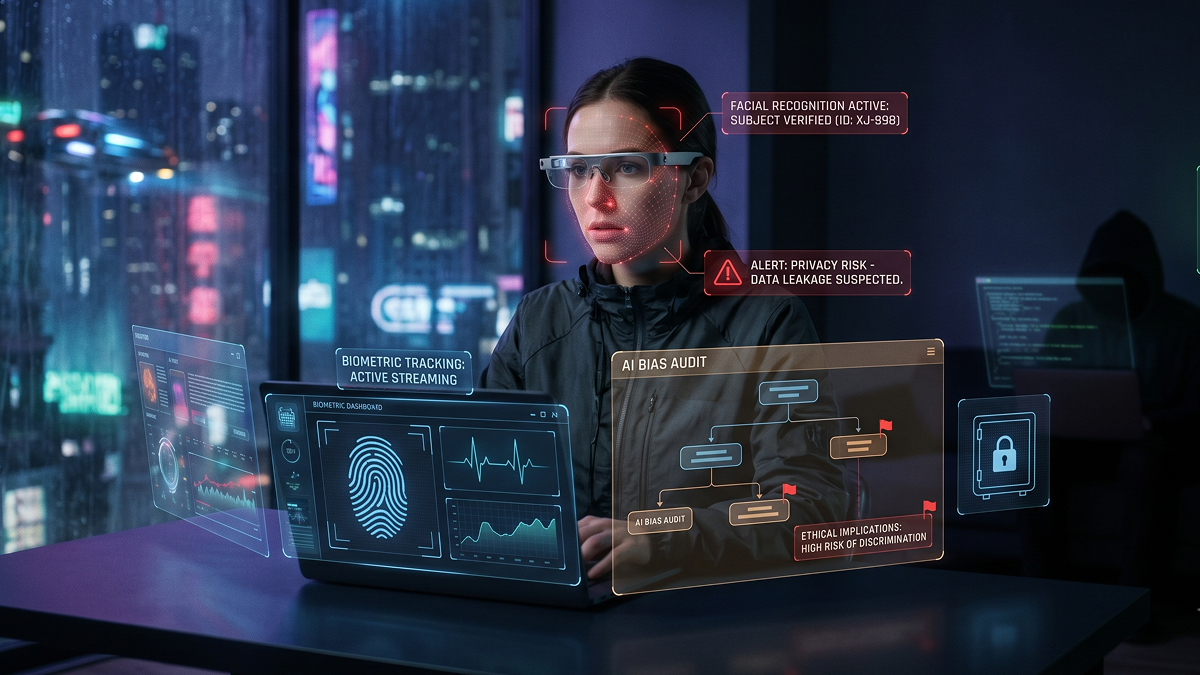
8. Security, Privacy, and Ethical Concerns
As AR and VR technologies become more advanced, concerns surrounding security, privacy, and ethics are growing.
Immersive devices collect large amounts of personal data, including:
- Eye movements
- Facial expressions
- Voice patterns
- Location data
- Behavioral information
This creates significant privacy risks.
Major Security Concerns
- Data breaches
- Identity theft
- Unauthorized tracking
- Biometric data misuse
Ethical Challenges
- Addiction to virtual environments
- Psychological impacts
- Digital harassment
- Manipulation through immersive advertising
The Need for Regulation
Governments and technology companies will need to establish clear standards for:
- Data protection
- User consent
- Ethical AI usage
- Digital safety
Balancing innovation with responsible practices will become critical as immersive technologies become mainstream.
9. Major Challenges AR/VR Must Overcome
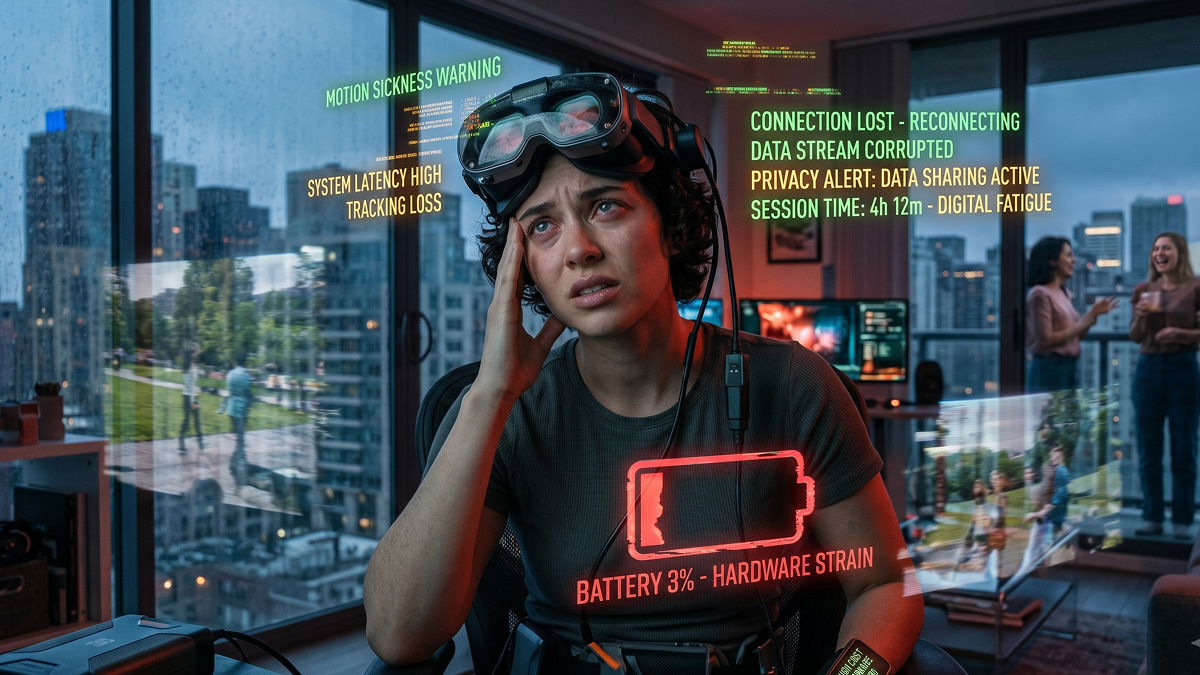
Despite rapid advancements, AR and VR still face several barriers that could slow widespread adoption.
1) High Hardware Costs: Premium devices remain expensive for many consumers.
2) Limited Content: The industry still needs more high-quality applications and experience.
3) Motion Sickness: Some users experience discomfort during immersive experiences.
4) Battery and Processing Limitations: Portable devices still struggle with power efficiency.
5) Privacy Concerns: Consumers may hesitate to adopt devices that collect sensitive personal data.
6) Social Acceptance: Wearing AR glasses in public may raise social and cultural concerns.
7) Technical Complexity: Developing immersive applications requires specialized skills and resources.
Overcoming These Challenges
The industry will likely focus on:
- Lowering device costs
- Improving hardware performance
- Expanding developer ecosystems
- Creating better privacy protections
- Enhancing user comfort
Successfully addressing these challenges will be essential for mainstream adoption.
10. Conclusion
The future of AR and VR is filled with enormous potential. Over the next five years, immersive technologies are expected to become smarter, more accessible, and deeply integrated into everyday life. From gaming and entertainment to healthcare, retail, education, and remote work, AR and VR are poised to reshape how people interact with digital environments.
Advancements in wearable devices, AI integration, cloud computing, and connectivity are accelerating innovation at an unprecedented pace. Businesses are increasingly investing in immersive experiences to improve efficiency, engagement, and customer satisfaction.
The next five years will not only define the future of AR and VR but may also redefine the future of digital interaction itself. Organizations and individuals who understand these trends early will be better prepared to thrive in a rapidly evolving immersive world.