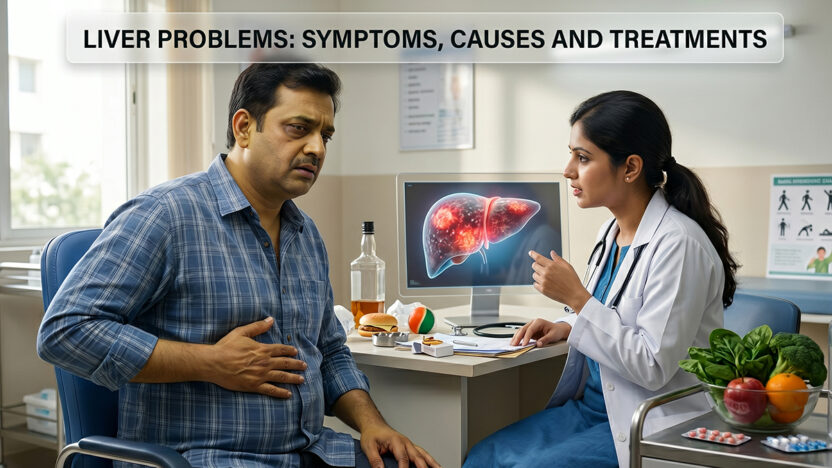
Liver problems can affect overall health and may develop due to infections, excessive alcohol consumption, fatty liver disease, medications, genetic conditions, or other underlying factors. Common symptoms include fatigue, jaundice, abdominal pain, swelling, nausea, dark urine, and unexplained weight loss. Early detection is important, as many liver conditions can progress silently before noticeable symptoms appear. Diagnosis typically involves physical examinations, blood tests, imaging studies, and, in some cases, liver biopsies.
Treatment depends on the underlying cause and may include lifestyle changes, medications, dietary modifications, or specialized medical procedures. Understanding the symptoms, causes, and available treatment options can help individuals take proactive steps to protect liver health and seek timely medical care when needed.
Table of Contents:
- Introduction
- Understanding the Liver and Its Role
- Common Symptoms of Liver Problems
- Major Causes of Liver Problems
- Types of Liver Diseases
- Risk Factors for Liver Disease
- Treatment Options for Liver Problems
- Foods to Avoid with Liver Problems
- Can Liver Damage Be Reversed?
- Conclusion
1. Introduction
The liver is often referred to as the body’s natural detoxification system, but its responsibilities extend far beyond simply filtering harmful substances from the bloodstream. As the largest internal organ, the liver performs more than 500 essential functions that contribute to digestion, metabolism, immunity, blood clotting, hormone regulation, and energy storage. Despite its remarkable ability to regenerate and repair itself, the liver remains vulnerable to various diseases and conditions that can compromise its function over time.
Liver problems affect millions of people around the world and represent a growing public health concern. In recent years, the prevalence of liver diseases has increased significantly due to rising rates of obesity, diabetes, alcohol consumption, and sedentary lifestyles. Conditions such as non-alcoholic fatty liver disease (NAFLD), alcoholic liver disease, hepatitis, and cirrhosis are becoming more common across all age groups.
The causes of liver problems are diverse and range from lifestyle-related factors to infections, genetic disorders, autoimmune diseases, and exposure to harmful substances. Excessive alcohol intake remains a major contributor to liver damage worldwide, but non-alcoholic fatty liver disease has emerged as one of the leading causes due to increasing obesity rates and metabolic disorders. Viral infections such as hepatitis B and hepatitis C continue to pose significant health risks, particularly in regions where access to vaccination and healthcare services may be limited.
Diet and nutrition also play a critical role in liver health. Certain foods can contribute to inflammation and fat accumulation in the liver, while others support healing and optimal function. Understanding which foods to avoid and which dietary habits to adopt can make a significant difference in preventing and managing liver disease
In this article, we will take an in-depth look at liver problems, including their symptoms, causes, types, risk factors, treatment approaches, dietary considerations, and the possibility of reversing liver damage. By gaining a deeper understanding of liver health, readers can take proactive steps to protect this essential organ and reduce their risk of developing serious liver-related complications.
2. Understanding the Liver and Its Role
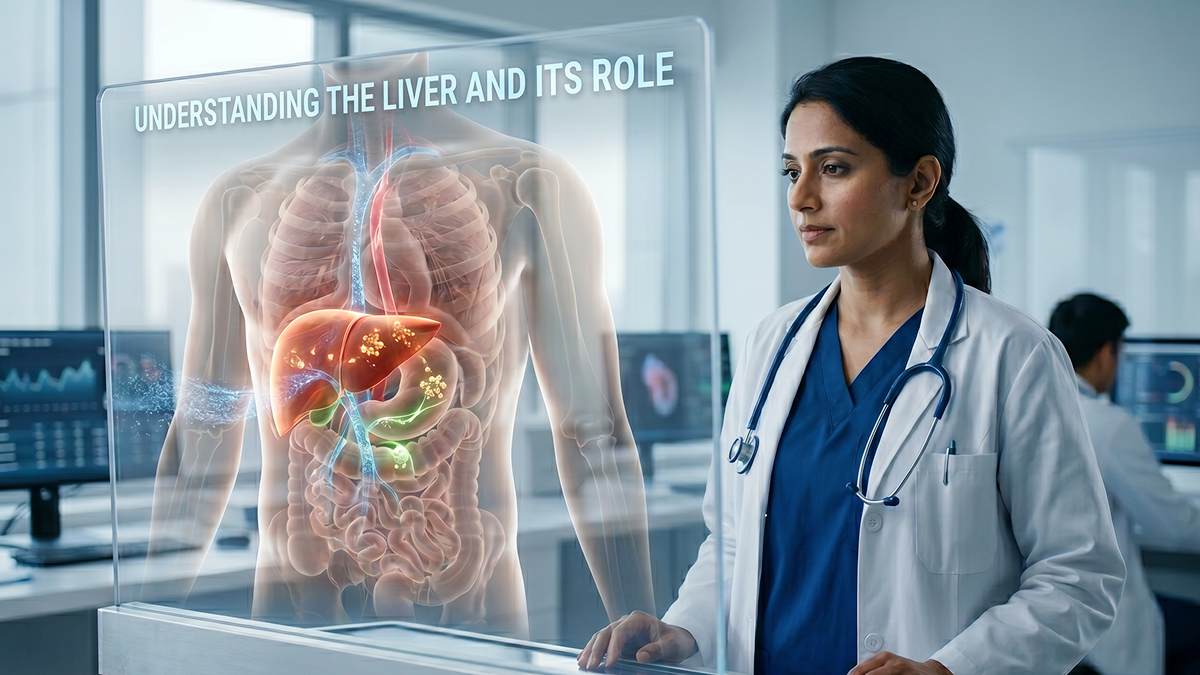
The liver is one of the most remarkable organs in the human body. Located in the upper right side of the abdomen beneath the rib cage, it weighs approximately 1.5 kilograms in adults and serves as the body’s largest internal organ. Despite its relatively compact size, the liver performs more than 500 critical functions that are essential for survival. It acts as a chemical processing plant, storage center, filtration system, and metabolic regulator all at the same time.
Unlike many other organs, the liver has a unique ability to regenerate itself. Even if a significant portion of the liver is damaged or surgically removed, healthy liver tissue can grow back and restore functionality. However, this regenerative capacity has limits. Continuous damage caused by disease, alcohol abuse, infections, or unhealthy lifestyle habits can eventually overwhelm the liver’s ability to repair itself, leading to chronic liver disease and potentially life-threatening complications.
Key Functions of the Liver:
1) Detoxification of Harmful Substances
One of the liver’s most important functions is removing toxins from the bloodstream. Every day, the body is exposed to various harmful substances, including alcohol, medications, environmental pollutants, and metabolic waste products. The liver processes these substances and converts them into less harmful compounds that can be safely eliminated through urine or bile.
Without proper liver function, toxins can accumulate in the body, leading to serious health complications, including confusion, neurological problems, and organ dysfunction.
2) Production of Bile
The liver produces bile, a greenish-yellow fluid that helps digest fats and absorb fat-soluble vitamins such as vitamins A, D, E, and K. Bile is stored in the gallbladder and
When bile production or flow becomes impaired due to liver disease, individuals may experience digestive problems, nutrient deficiencies, and jaundice.
3) Regulation of Metabolism
The liver plays a central role in regulating metabolism by processing carbohydrates, fats, and proteins. It converts excess glucose into glycogen for storage and releases it when the body requires energy. The liver also helps break down fats and produces cholesterol and other important substances needed for normal bodily functions.
Proper metabolic regulation is essential for maintaining stable blood sugar levels and supporting overall health.
4) Storage of Nutrients
The liver serves as a storage facility for various nutrients, including:
- Vitamins A, D, E, and K
- Vitamin B12
- Iron
- Copper
- Glycogen
These stored nutrients can be released into the bloodstream when the body requires them, ensuring a consistent supply even during periods of inadequate intake.
5) Production of Essential Proteins
The liver produces numerous proteins that are critical for bodily functions. These include:
- Albumin, which helps maintain fluid balance in the bloodstream
- Clotting factors that prevent excessive bleeding
- Transport proteins that carry hormones, vitamins, and minerals throughout the body
When liver function declines, protein production may decrease, leading to swelling, bruising, and increased bleeding risk.
6) Immune System Support
The liver contains specialized immune cells known as Kupffer cells that help identify and destroy bacteria, viruses, and other harmful microorganisms entering the bloodstream. This function makes the liver an important component of the body’s immune defense system. A healthy liver helps protect the body from infections and contributes to overall immune health.
3. Common Symptoms of Liver Problems
Liver disease can be difficult to detect in its early stages because symptoms may be mild or completely absent. As damage progresses, however, several warning signs may appear.
- Fatigue and Weakness: Persistent fatigue is one of the most common symptoms of liver disease. Individuals may feel constantly tired, lack energy, or have trouble concentrating.
- Jaundice: Jaundice causes yellowing of the skin and eyes due to a buildup of bilirubin in the blood. It is one of the most recognizable signs of liver dysfunction.
- Abdominal Pain and Swelling: Pain or discomfort in the upper right abdomen may indicate liver inflammation or enlargement. Fluid accumulation in the abdomen, known as ascites, can also occur in advanced liver disease.
- Dark Urine: When bilirubin levels increase, urine may appear dark brown or amber-colored.
- Pale Stool: Changes in bile production can cause stool to become pale, clay-colored, or gray.
- Nausea and Vomiting: Digestive disturbances, including nausea, vomiting, and loss of appetite, are common in many liver conditions.
- Unexplained Weight Loss: Individuals with liver disease may experience unintended weight loss due to poor nutrient absorption and reduced appetite.
- Itchy Skin: Persistent itching can occur when bile salts accumulate beneath the skin.
- Swelling in Legs and Ankles: Fluid retention can lead to swelling in the lower extremities.
- Easy Bruising and Bleeding: The liver produces clotting factors. When liver function declines, bruising and bleeding may occur more easily.
4. Major Causes of Liver Problems
Numerous factors can contribute to liver disease.
- Excessive Alcohol Consumption: Long-term alcohol abuse can cause inflammation, fatty liver disease, alcoholic hepatitis, and cirrhosis.
- Viral Hepatitis: Hepatitis A, B, and C viruses can infect the liver and lead to acute or chronic inflammation.
- Non-Alcoholic Fatty Liver Disease (NAFLD): This condition occurs when excess fat accumulates in the liver of individuals who consume little or no alcohol.
- Obesity and Diabetes: Metabolic disorders significantly increase the risk of fatty liver disease and liver damage.
- Autoimmune Disorders: In autoimmune liver diseases, the immune system mistakenly attacks liver cells.
- Genetic Conditions: Certain inherited disorders such as hemochromatosis and Wilson’s disease can damage the liver.
- Medications and Toxins: Some medications, supplements, and environmental toxins can cause liver injury.
- Cancer: Primary liver cancer or cancers that spread to the liver can impair liver function.
5. Types of Liver Diseases
Several distinct conditions can affect the liver.
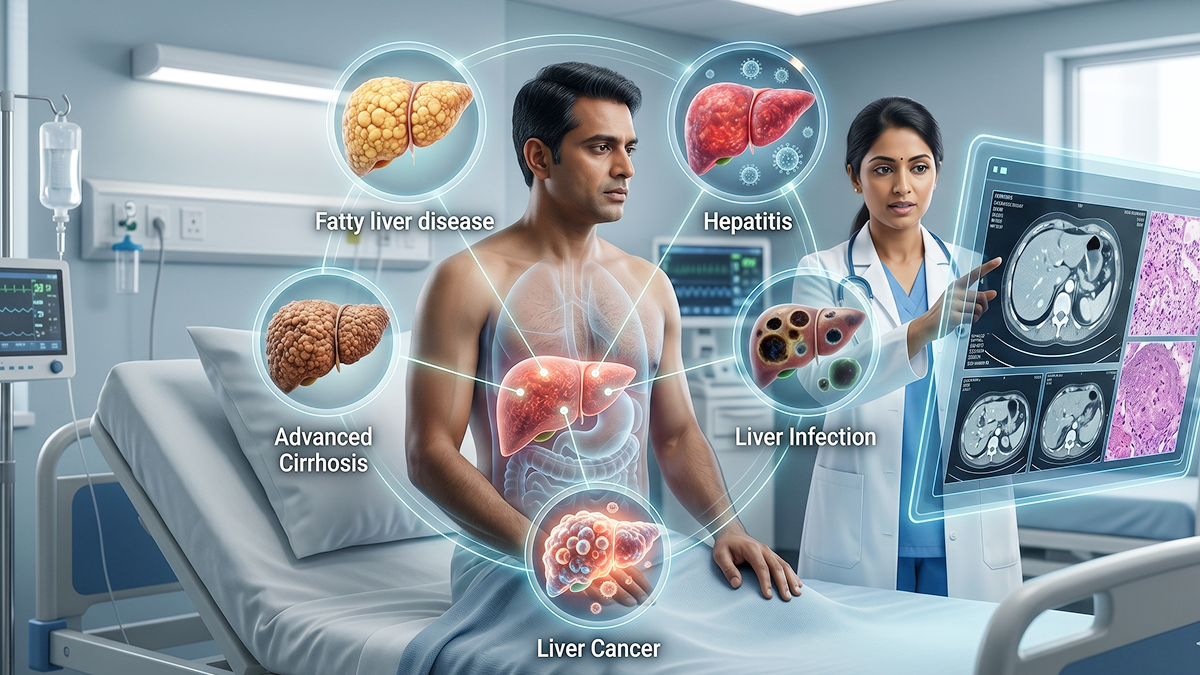
- Fatty Liver Disease: Fat accumulation within liver cells can lead to inflammation and scarring.
- Hepatitis: It refers to liver inflammation caused by infections, alcohol, toxins, or autoimmune conditions.
- Cirrhosis: Cirrhosis is advanced liver scarring that permanently damages liver tissue.
- Liver Failure: It occurs when the liver loses its ability to perform essential functions.
- Liver Cancer: It often develops in individuals with chronic liver disease.
- Autoimmune Liver Diseases: These include autoimmune hepatitis and primary biliary cholangitis.
6. Risk Factors for Liver Disease
Several factors increase the likelihood of developing liver problems.
Excessive alcohol use
- Obesity
- Type 2 diabetes
- High cholesterol
- Viral hepatitis infections
- Family history of liver disease
- Smoking
- Exposure to toxins
- Poor diet
- Sedentary lifestyle
Individuals with multiple risk factors should undergo regular medical evaluations and liver function testing.
7. Treatment Options for Liver Problems
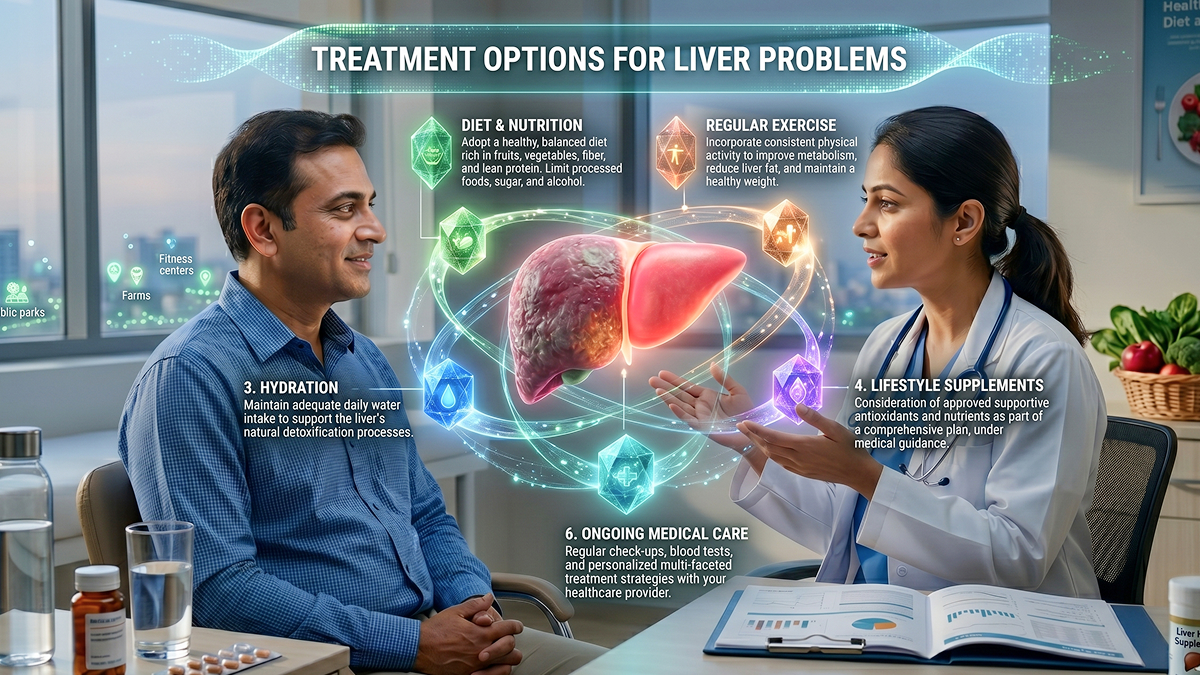
Treatment depends on the underlying cause and severity of the condition.
- Lifestyle Changes: Many liver conditions improve significantly through healthier lifestyle habits.
- Weight Management: Losing excess weight can reduce fat accumulation and inflammation.
- Exercise: Regular physical activity supports liver health and improves metabolism.
- Alcohol Avoidance: Eliminating alcohol is critical for individuals with liver disease.
- Medications: Doctors may prescribe medications to treat viral hepatitis, autoimmune diseases, or complications of liver disease.
- Surgical Procedures: Certain liver conditions may require surgery to remove tumors or damaged tissue.
- Liver Transplantation: In cases of severe liver failure, a liver transplant may be the only effective treatment option.
- Monitoring and Follow-Up: Regular blood tests, imaging studies, and medical evaluations help track disease progression and treatment effectiveness.
8. Foods to Avoid with Liver Problems
Diet plays a significant role in managing liver health.
- Alcohol: It places tremendous stress on the liver and should be avoided.
- Fried Foods: High-fat foods can worsen fatty liver disease and inflammation.
- Sugary Foods and Drinks: Excess sugar contributes to fat accumulation in the liver.
- Processed Foods: Packaged snacks and processed meals often contain unhealthy fats and additives.
- Excess Salt: Too much sodium can contribute to fluid retention and swelling.
- Red and Processed Meats: These foods may increase inflammation and strain liver function.
- Refined Carbohydrates: White bread, pastries, and sugary cereals can worsen metabolic issues associated with liver disease.
A liver-friendly diet should focus on fruits, vegetables, whole grains, lean proteins, and healthy fats.
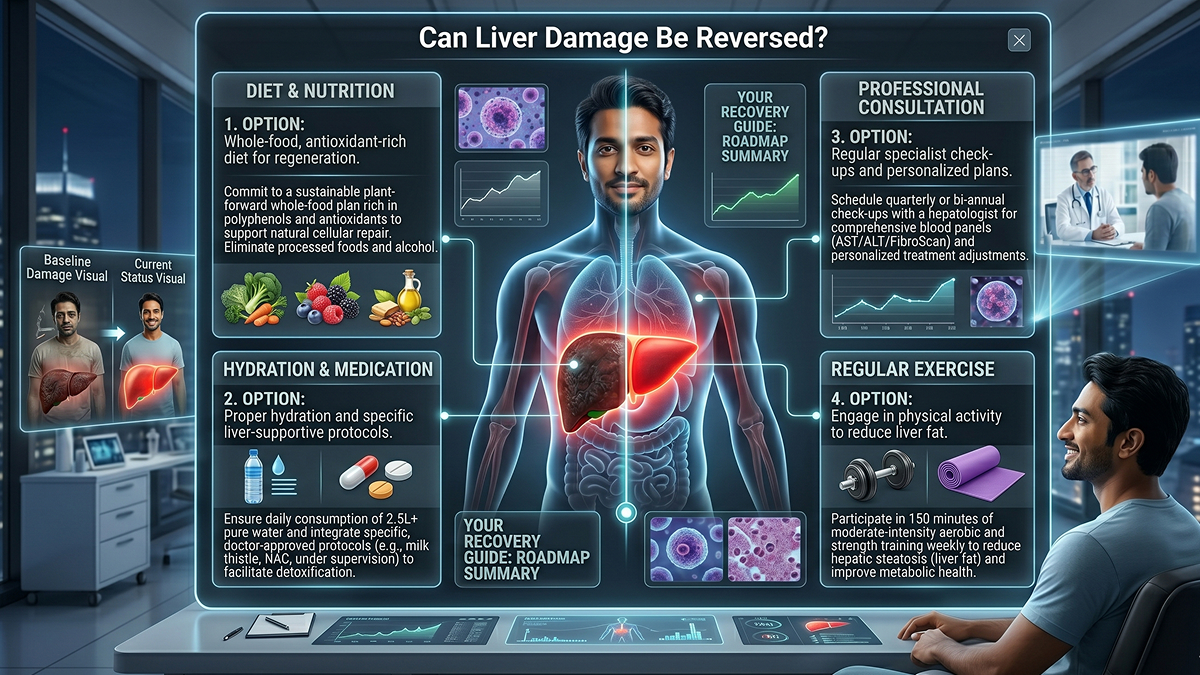
9. Can Liver Damage Be Reversed?
One of the most remarkable features of the liver is its ability to regenerate. In many cases, early-stage liver damage can be reversed if the underlying cause is identified and treated promptly.
For example, fatty liver disease often improves significantly with weight loss, dietary changes, and increased physical activity. Similarly, alcohol-related liver damage may heal when alcohol consumption is stopped early enough.
Viral hepatitis can often be managed successfully with modern antiviral therapies, reducing inflammation, and preventing further damage.
However, advanced liver scarring, known as cirrhosis, is generally irreversible. Although treatment can slow progression and manage symptoms, scarred tissue cannot usually return to normal. This makes early detection and intervention critically important.
The likelihood of reversing liver damage depends on:
- The cause of the disease
- The severity of damage
- How early treatment begins
- Overall health and lifestyle habits
Maintaining a healthy weight, avoiding alcohol, following medical advice, and attending regular checkups can significantly improve long-term outcomes.
10. Conclusion
The liver is one of the most hardworking and essential organs in the human body, performing hundreds of functions that support digestion, metabolism, detoxification, immunity, and overall health. Despite its remarkable resilience and regenerative capacity, the liver remains vulnerable to damage from infections, alcohol misuse, obesity, poor dietary habits, medications, and various medical conditions.
Recognizing the symptoms of liver problems such as fatigue, jaundice, abdominal discomfort, swelling, and digestive issues are crucial for early diagnosis and treatment. Understanding the major causes, risk factors, and types of liver disease empowers individuals to make informed decisions about their health and seek timely medical care when needed.
The key to protecting liver health lies in awareness, prevention, and early intervention. By adopting healthy habits and prioritizing regular health screenings, individuals can reduce their risk of liver disease and support the long-term function of this vital organ. A healthy liver contributes not only to physical well-being but also to a better quality of life for years to come.