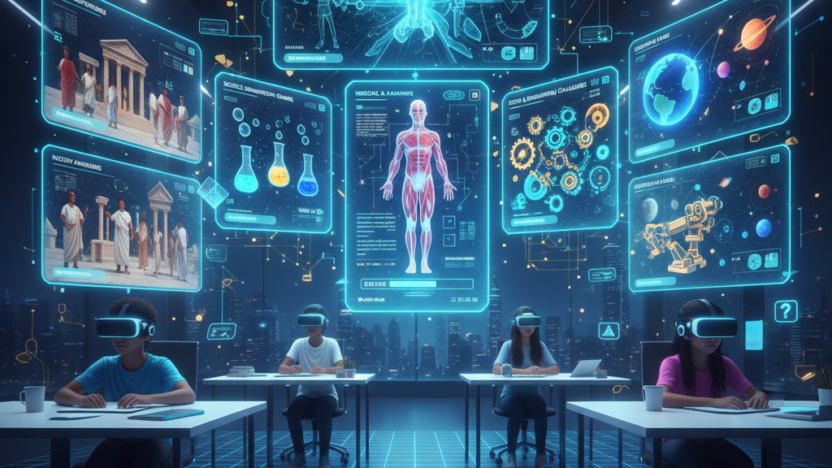
Virtual reality is revolutionizing today’s classrooms by offering immersive, interactive learning experiences that are not possible with conventional approaches. The most popular VR games in education take students on voyages through new worlds, virtual experiments, and ways to understand complex ideas through hands-on simulations. Games improve engagement, enhance knowledge retention, and cater to diverse learning styles.
From virtual science labs to historical reenactments and creative problem-solving, VR offers an exciting, effective way to build student understanding. As schools increasingly use digital tools, VR games are becoming important resources that empower learners, support teachers, and create a better learning experience overall.
Table of Contents
- Introduction
- Why VR Games Are Revolutionizing Learning
- Benefits of Using VR in the Classroom
- Top VR Games for Science Education
- Best VR Games for History and Social Studies
- VR Games Enhancing Mathematics and Problem-Solving Skills
- Creative Learning: VR Games for Art and Design
- Language Learning Through Immersive VR Games
- Future Trends in Educational VR
- Conclusion
1. Introduction
Marketing has always been central to business success, but in 2025 its importance has reached entirely new heights. With markets becoming more competitive, consumers are more informed, and technology is evolving at unprecedented speed. The businesses that thrive are those that treat marketing not as a supporting function but as a strategic growth engine. Today’s marketing landscape is shaped by digital transformation, artificial intelligence, customer-centricity, personalization, and data-driven decision-making. Companies that understand how to leverage these elements are outperforming their competitors, building stronger customer relationships, and unlocking new revenue opportunities.
In 2025, marketing is no longer limited to advertising or brand promotion. It has become the foundation of business visibility, customer engagement, product innovation, and long-term growth. Whether a startup or an established enterprise, every organization relies on marketing to communicate value, differentiate in the market, and deliver exceptional customer experiences. This blog explores the critical role of marketing in driving business growth in 2025 and outlines the strategies, trends, technologies, and challenges businesses must navigate to stay ahead.
2. The Evolution of Marketing in the Digital Age
Marketing has undergone a dramatic transformation over the past two decades. Traditional marketing, once dominated by print advertising, TV commercials, and static promotions, has shifted to a dynamic and interactive digital-first ecosystem. The digital age introduced new channels, tools, and strategies that have reshaped how brands communicate with consumers.
1) From Mass Marketing to Personalized Engagement: The shift from one-size-fits-all messaging to hyper-personalized communication has been one of the most significant changes. With advancements in data analytics and AI, brands now understand customer preferences at a granular level, enabling them to deliver tailored content, offers, and product recommendations.
2) The Rise of Social and Interactive Platforms: Platforms like Instagram, TikTok, YouTube, and LinkedIn have become essential marketing channels. These platforms allow businesses to engage in real time with audiences, build communities, and showcase brand values authentically.
3) Customer-Centric and Experience-Focused Marketing: Consumers in 2025 expect seamless digital experiences. As a result, marketing strategies have shifted to prioritize customer satisfaction, user experience (UX), and value delivery across every brand touchpoint.
4) Data-Driven Decision-Making: Data analytics, CRM systems, and AI tools provide unprecedented insight into consumer behavior, helping businesses make informed marketing decisions. Companies that adopt data-driven frameworks outperform those relying on intuition alone.
5) Integration of Technology in Marketing: The rise of automation, AI content creation, chatbots, voice search, and augmented reality (AR) tools has expanded the capabilities of marketing teams and enhanced customer interactions.
3. Key Marketing Trends Shaping Business Growth in 2025
To succeed in 2025, businesses must understand the dominant marketing trends reshaping industries. These trends highlight the strategic shifts companies must adopt to remain competitive.
1) AI-Driven Personalization: Artificial intelligence now powers everything from email marketing to product recommendations and advertising optimization. Brands deliver highly relevant messages at the right time, improving engagement, conversions, and customer loyalty.
2) Short-Form Video Content: Platforms like TikTok and Instagram Reels have made short videos of the most consumed content online. Businesses use bite-sized videos to communicate brand stories, highlight products, and reach younger audiences.
3) Conversational and Voice Marketing: With the rise of smart devices and AI assistants, voice search optimization and conversational marketing play a major role in customer engagement.
4) Influencer and Creator Economy Growth: Influencers continue to shape purchasing decisions. In 2025, micro-influencers and niche creators are particularly powerful, offering high engagement and authenticity.
5) First-Party Data and Privacy-Focused Marketing: As third-party cookies phase out, brands rely on first-party data to understand customers ethically and effectively. Transparency, consent-based marketing, and data protection are top priorities.
4. How Marketing Drives Business Growth
Marketing is the engine that fuels brand visibility, customer relationships, and revenue expansion. Here’s how marketing directly contributes to business growth in 2025.
1) Enhancing Brand Awareness and Visibility: Marketing ensures your brand is seen, recognized, and remembered. In crowded markets, visibility differentiates successful businesses from forgotten ones.
2) Generating High Quality Leads: With targeted advertising, personalized campaigns, and data-driven insights, marketing attracts qualified leads more efficiently.
3) Strengthening Customer Relationships: Marketing nurtures relationships through personalized communication, loyalty programs, and consistent engagement that keeps customers connected to the brand.
4) Driving Sales and Revenue: From product launches to promotional campaigns, marketing strategies directly influence customer purchase decisions, boosting sales performance.
5) Building Brand Trust and Credibility: Authentic storytelling, reviews, social proof, and transparent communication establish trust as a core factor in long-term business success.
6) Supporting Product Development: Marketing insights help businesses identify customer needs, inspire new product ideas, and improve existing offerings through feedback loops.
5. Essential Marketing Strategies for 2025
Success in 2025 requires a strategic approach to marketing. Below are the most critical strategies businesses must implement.
1) Content Marketing Excellence: High-quality content remains a cornerstone of digital marketing. Blogs, videos, social posts, infographics, and podcasts help educate audiences, build authority, and nurture leads.
2) Search Engine Optimization (SEO): SEO continues to evolve with AI algorithms and voice search. Businesses must optimize intent-driven queries, mobile-first experiences, and semantic search.
3) Social Media Marketing: Consistent social media engagement builds community, amplifies reach, and increases brand loyalty. Live streams, short videos, and interactive posts dominate 2025 trends.
4) Email and Marketing Automation: Automated workflows improve efficiency and deliver personalized messages based on user behavior, boosting open rates and conversions.
5) Paid Advertising (PPC): Paid ads on Google, Meta, TikTok, and LinkedIn help businesses reach targeted audiences. AI tools optimize bidding strategies and increase ROI.
6) Influencer Partnerships: Collaborating with influencers builds trust and expands brand presence across various niches.
6. The Role of Technology in Modern Marketing
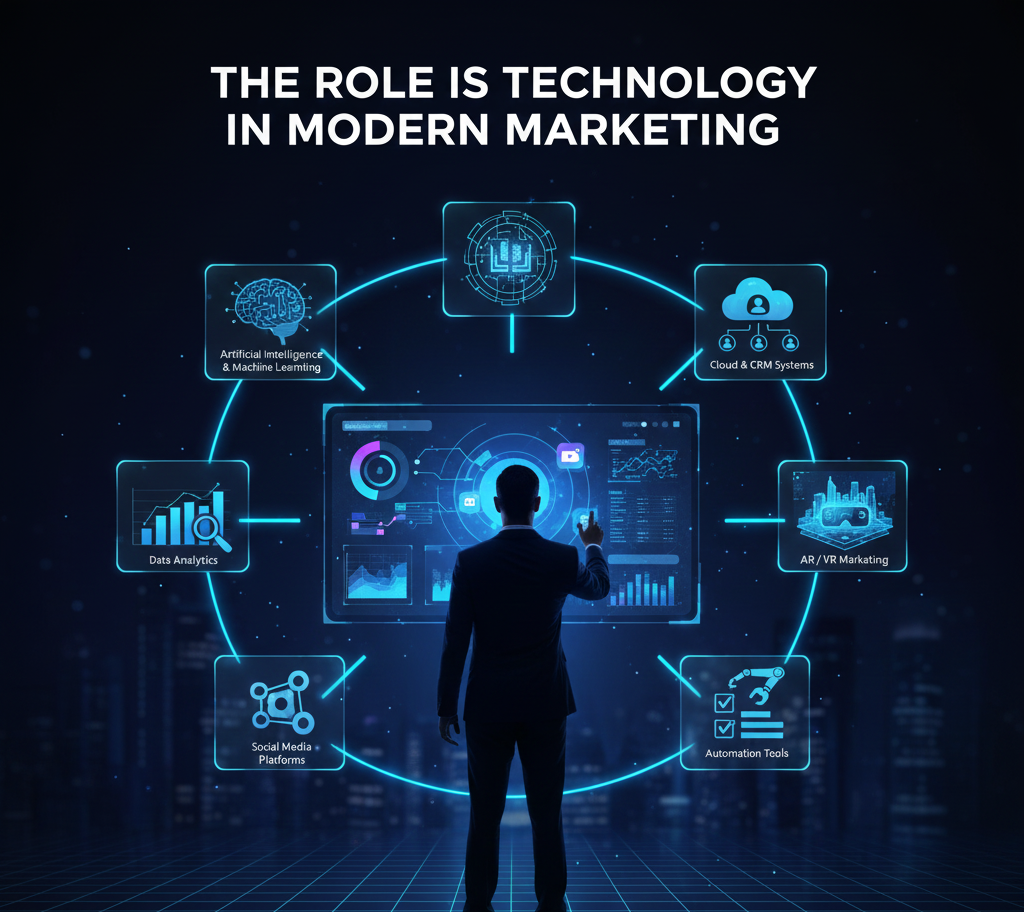
Technology is at the heart of marketing innovation in 2025. From AI to immersive technologies, businesses rely on advanced tools to enhance their marketing capabilities.
1) Artificial Intelligence and Machine Learning: AI powers personalization, automates repetitive tasks, enhances content creation, and predicts consumer behaviors.
2) Augmented and Virtual Reality (AR/VR): AR product try-ons, VR experiences, and virtual showrooms transform engagement and elevate customer experience.
3) Marketing Automation Tools: Tools like HubSpot, Mailchimp, Marketo, and AI chatbots help businesses streamline marketing processes.
4) Data Analytics and CRM Platforms: CRM systems store critical customer data, enabling personalized campaigns and improved retention strategies.
5) Voice and Conversational AI: Chatbots, virtual assistants, and voice search optimization make customer interactions more convenient and efficient.
7. Challenges Businesses Face in 2025 Marketing
Despite opportunities, businesses encounter challenges in the rapidly changing marketing landscape.
1) Increasing Competition: Digital accessibility allows new competitors to emerge overnight, making differentiation harder.
2) Rapid Technological Change: Keeping pace with innovations like AI, AR, and predictive analytics requires continuous learning and investment.
3) Data Privacy Regulations: New laws complicate data collection, forcing businesses to adapt privacy-first marketing strategies.
4) Content Saturation: With millions of posts published daily, standing out requires creativity and value-driven content.
5) Skills Gaps: Brands struggle to find marketing professionals skilled in analytics, automation, and AI-driven tools.
8. How to Build a Future-Proof Marketing Plan
A future-proof marketing plan prepares businesses for ongoing change and ensures long-term success.
1) Define Clear Objectives: Set SMART goals aligned with business growth targets for brand awareness, leads, conversions, or customer retention.
2) Understand Your Target Audience Deeply: Use analytics, surveys, and CRM insights to create detailed buyer personas.
3) Adopt an Omnichannel Approach: Ensure consistent experiences across websites, social platforms, apps, and offline channels.
4) Invest in Technology and Tools: Adopt AI-driven tools, automation systems, and analytics platforms to enhance efficiency.
5) Create Value-Driven Content: Prioritize educational, entertaining, and user-centric content that builds trust.
6) Monitor and Optimize Performance: Use KPIs, dashboards, and A/B testing to refine campaigns continuously.
9. Case Studies: Brands Winning with Modern Marketing
1) Nike – Personalization and Community Building
Nike uses data-driven personalization, immersive content, and community-focused apps like Nike Run Club to build loyalty. Their campaigns integrate storytelling, influencer collaborations, and innovation, driving strong brand engagement.
2) Netflix – AI-Driven Customer Insights
Netflix uses AI algorithms to recommend content tailored to user preferences. This personalization boosts viewer satisfaction and reduces churn, showcasing the power of data-driven marketing.
3) Tesla – Social Buzz without Traditional Ads
Tesla thrives without traditional advertising. Instead, the brand leverages social media, community engagement, and CEO-driven digital presence to generate massive buzz and organic growth.
10. Conclusion
Marketing in 2025 is more than promotion. It’s the engine that drives business growth, innovation, and long-term competitive advantage. With technology reshaping customer expectations and digital channels expanding rapidly, businesses must embrace modern marketing strategies, invest in advanced tools, and adapt continuously.
Companies that understand the evolving marketing landscape, prioritize customer experiences, and leverage data-driven insights will dominate the market. As we navigate the rest of 2025 and beyond, one truth remains clear: marketing is not just vital. It is foundational for business success.