Free-to-play mobile games remain on top of the gaming market, offering their players rich and engaging experiences with no upfront costs. This article looks at the top 10 features that shape the most successful F2P titles of today, from immersive gameplay mechanics and personalized progression systems to social connectivity, live events, and strategic reward loops.
We will also look deeper into how monetization, customization, and cross-platform integration help raise the overall player experience. Whether you are a developer looking to create a compelling game or a player who is simply interested in learning about current trends, this guide shows the key elements that drive engagement, retention, and long-term success within free-to-play mobile gaming.
Table of Contents
- Introduction
- Engaging Core Gameplay
- Personalized Progression Systems
- Reward Loops & Daily Incentives
- Live Events & Limited-Time Challenges
- Social Interaction & Multiplayer Modes
- Customization & Character Upgrade
- Fair & Strategic Monetization Models
- Cross-Platform and Cloud Integration
- High-Quality Graphics & Mobile Optimization
- Conclusion
1. Introduction
Over the last decade, the F2P mobile gaming world has grown extremely fast and continues to dominate app stores around the world in 2025. What started off as simple puzzle games and light arcades developed into an enormous ecosystem full of deep progression systems, AAA graphics, competitive multiplayer modes, and complex reward mechanics.
Accessibility and innovation, with further democratization of mobile technology, drive the rise of F2P games. The developers have found that players will invest time and sometimes money in a game when real value is provided without asking them to pay upfront. With increased competition, studios add more advanced features to the games to keep players engaged, rewarded, and coming back for more.
This comprehensive blog explores the top 10 features players can expect in today’s free-to-play mobile games, from core gameplay elements to progression systems, monetization strategies, and cloud integration. Whether you are a gamer, developer, or industry enthusiast, understanding these features will provide you with important insight into the ever-evolving strategies at play in modern mobile gaming.
2. Engaging Core Gameplay
Behind every successful F2P mobile game is an engaging core gameplay loop and the basic set of actions a player performs repeatedly and enjoys. Without engaging gameplay, even the most graphically impressive or heavily marketed game will fail to hold onto its audience.
Simple yet Addictive Mechanics
Mobile games tend to thrive on simplicity. The best F2P titles nail a balance between intuitive controls and depth of play. Games like Clash Royale, PUBG Mobile, and Candy Crush Saga work because the core interactions-tapping, swiping, aiming, matching-are instantly understandable yet offer layers of strategy.
Short Sessions of Play, Long-Term Engagements
Since players often play games on the go, mobile titles are optimized for quick sessions. A well-designed core loop allows for bursts of gameplay that fit into daily routines, while extended progression systems keep players engaged for months or even years.
Smooth Difficulty Scaling
Free-to-play games use adaptive difficulty to maintain engagement. Early levels are easy and rewarding, adding more complexity with time. This progression ensures that new players feel successful, while the game keeps the experienced player motivated.
Replayability and Variation
Replayability is paramount. Procedurally generated levels, dynamic challenges, and a variety of character abilities keep things fresh to avoid gameplay fatigue.
3. Personalized Progression Systems
Progression keeps players invested because it lets them know that they have accomplished something. The best F2P mobile games include progression that is both rewarding and fitting for individual playstyles.
- Leveling Systems and Skill Development: Players love seeing their characters or profiles grow. XP-based leveling, trees of skills, and unlockable abilities add depth and long-term goals.
- Tailored Challenges and Difficulty Adjustments: AI-driven personalization automatically adjusts the difficulty and missions based on player behavior. This way, each player experiences challenges that are just right, that are not too easy or not too overwhelming.
- Upgradeable Equipment and Abilities: Now, every genre seems to feature RPG-style upgrade paths, from shooters to puzzles to strategy games. When these systems offer meaningful power boosts, they enhance player investment.
- Player-centric progress paths: Increasingly, games offer branching paths for players to decide what to unlock next: weapons, characters, cosmetics, abilities, or story content. Personal choice strengthens emotional connection.
- Long-term Progress and Prestige Systems: Some games introduce prestige resets or advanced progression tiers that keep veterans engaged beyond the attainment of endgame content.
4. Reward Loops & Daily Incentives
Reward loops are the underlying drivers for engagement in F2P games; these incentives that encourage players to come back every day, to do missions, and to pursue long-term achievements.
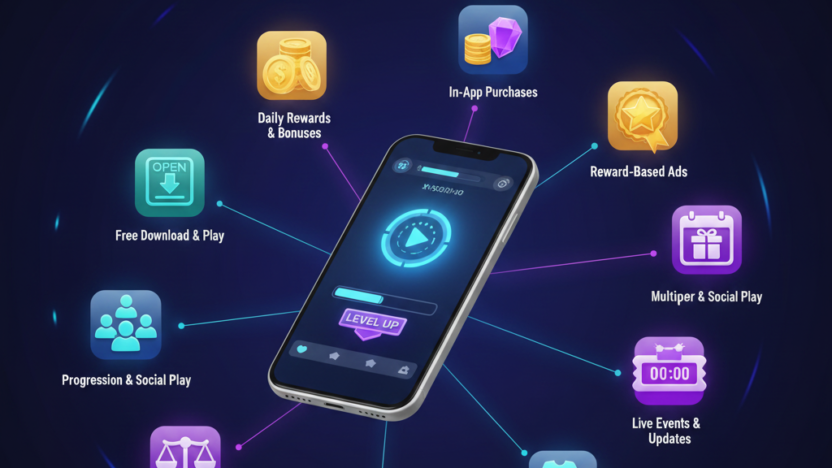
- Daily Login Bonuses: Daily rewards remain one of the strongest engagement tools. Streak bonuses foster consistent play, doling out rare items or currency for players who continue to participate.
- Task and Mission Systems: Players often receive daily, weekly, and monthly missions that, upon completion, yield rewards. Such pre-structured gameplay regulates the player’s activities and keeps them interested.
- Gacha & Randomized Rewards: Fairly implemented randomized reward systems create excitement and unpredictability; they drive engagement because of rare characters, items, and upgrades.
- Milestone Rewards and Achievement Tracking: Achievements provide players with specific goals to reach, such as finishing levels, defeating bosses, or achieving certain ranks. These systems enhance satisfaction and provide long-term incentives.
- Seasonal and Long-Cycle Rewards: Battle passes and seasonal progression systems reward players for consistent engagement. Due to the tiered rewards, players can choose between free and premium tracks, enabling monetization without forcing purchases on them.
5. Live Events & Limited-Time Challenges
- Live events are a staple of modern F2P games: they create urgency, excitement, and a sense of community.
- Seasonal Events: They are inspired by holidays and real-world celebrations, introducing new content, skins, rewards, and gameplay modes.
- Limited-Time Challenges: Time-exclusive missions encourage players to come back regularly. Often, these events give rewards that one cannot get elsewhere.
- Collaborations and Crossovers: New players join, and old players become more engaged when brands collaborate with movies, anime, and celebrities. Examples include Fortnite crossovers and PUBG Mobile concerts.
- Leaderboard Competitions: Leaderboards in competitive events reward top performers with special items, which inspires friendly competition.
- Global Community Events: Certain games introduce large-scale co-op challenges where players contribute together to unlock rewards, enhancing community spirit.
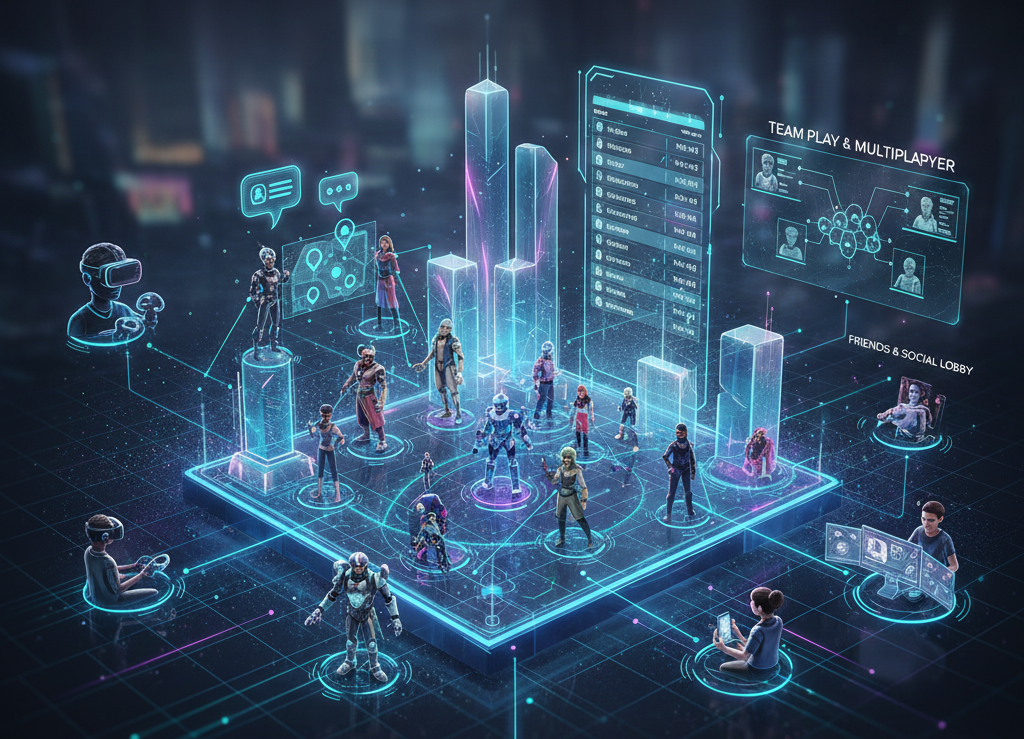
6. Social Interaction & Multiplayer Modes
Social features in mobile games turn solitary activities into vibrant virtual communities.
- Real-Time Multiplayer: Real-time PvP and co-op modes enable players to compete or cooperate with both friends and strangers.
- Clan and Guild Systems: Guilds and alliances provide the feeling of association among players. Cooperative missions and team challenges raise retention and increase social bonding.
- Matchmaking and Ranking Systems: Rank-based matchmaking encourages improvement and creates a satisfying competitive loop.
- Friend Lists and Social Sharing: Players can add friends, share achievements, send gifts, or invite others to join their games.
- Voice and Text Chat Features: Improved communication in-game results in enhanced teamwork and stronger community involvement.
7. Customization & Character Upgrade
The main emphasis of modern F2P games is customization, allowing players to create a unique in-game identity.
- Cosmetic Customization: Skins, outfits, avatars, and accessories allow players to personalize characters, vehicles, weapons, or environments.
- Character Upgrades: Games include skill trees, stat upgrades, ability enhancements, and equipment improvements that impact gameplay.
- Home Base or Environment Customization: Some games have features that enable players to build and improve home bases, villages, or environments, encouraging creativity and ownership.
- Animation and Effects Personalization: Custom emotes, animation trails, victory poses, and signature move enhance player expressiveness.
- Progress-Driven Custom Options: Customization elements that are tied to gameplay progression give meaningful incentives to continue playing.
Personalization and upgrades make players feel attached to their characters and raise the level of perceived value as a very important factor in retention and monetization.
8. Fair & Strategic Monetization Models
Effective monetization is all about finding a balance. F2P games should make money without sacrificing either fairness or enjoyment.
- Cosmetic-Only Purchases: There are several examples of very successful games that have generated revenue through optional cosmetics that didn’t provide any form of competitive disadvantage or advantage.
- Battle Pass Systems: Season passes give structured progression in the form of free and premium reward tracks that provide strong value for paying players while respecting free users.
- Time-Saving Upgrades: Optional boosters that hurry progress along-without creating a pay-to-win game attract for gamers who don’t have as much time.
- Transparent Gacha Systems: Modern gacha systems include detailed drop rates, pitiful systems, and guaranteed rewards to ensure fairness.
- Subscription Models: Monthly VIP passes or membership programs provide daily bonuses and quality-of-life improvements without breaking game balance.
- Ethical Monetization Practices: Successful developers are fully transparent, fair, and player-satisfactory, thus earning the players’ trust and loyalty in the long run.
Fair monetization makes sure everybody can enjoy the game while supporting viable development.
9. Cross-Platform and Cloud Integration
Cross-platform gaming is increasingly significant as mobile hardware continues to get better.
- Cross-Platform Accounts: Using one profile for mobile, PC, and console, progress and purchases are preserved across devices.
- Cross-Platform Multiplayer: Combined matchmaking pools empower communities and reduce wait times for matches.
- Cloud Saves and Syncing: Cloud saves ensure seamless transitions between devices, enabling players to pick up where they left off.
- Cloud-Gaming Optimization: It enables the devices to play high-end titles via streaming of gameplay, improving accessibility and reducing hardware limitations.
- Third-Party App Integrations: Integrations with platforms such as Google Play Games or Apple Game Center increase social features and tracking accomplishments.
Cloud and cross-platform integration make mobile gaming closer to PC or console experiences and allow for more complexity and immersion in games.
10. High-Quality Graphics & Mobile Optimization
Visual quality plays an immense role in attracting and retaining players.
- Advanced Graphics Engines: Many F2P mobile games now use Unity, Unreal Engine, and proprietary systems to deliver visuals of console quality.
- High Frame Rate Options: Options for 60 FPS or even 120 FPS improve responsiveness and provide a premium gameplay experience.
- Dynamic Lighting & Realistic Environments: Modern games include detailed textures, particle effects, shadows, and physics-driven animation.
- Battery & Performance Optimization: Optimized graphics ensure devices stay cool, conserve energy, and run smoothly without lagging for all vital longer play sessions.
- Device Compatibility: As usual, developers ensure that games run smoothly across devices, ranging from budget phones to leading flagship models.
High-quality visuals, combined with optimized performance, create immersive experiences that can rival traditional gaming formats.
11. Conclusion
The free-to-play mobile games today boast of deep mechanics, high-quality graphics, and a range of other engaging features that stand tall among paid console and PC titles. This F2P model, popular until 2025, provides ease of access, constant updates, and, most importantly, varied gameplay that lures millions around the world. From compelling core gameplay to personalized progression systems, from cloud integration to ethical monetization, the best F2P games combine innovation with user-centric design.
It ensures that players feel rewarded and connected, eager to come back day after day. The future of mobile gaming will continue to evolve, becoming far more immersive, dynamic, and focused on players.