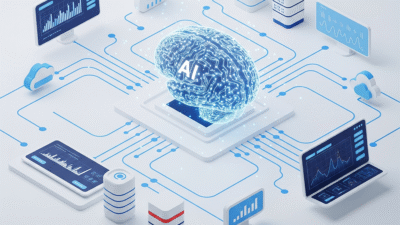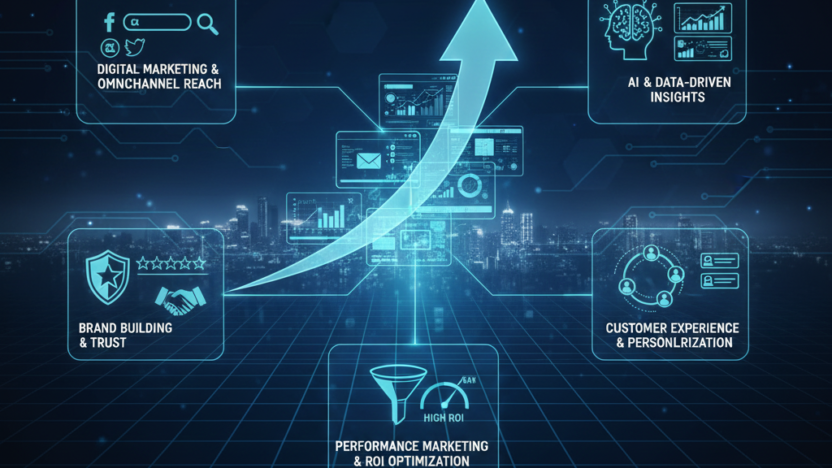
In 2025, marketing was at the forefront of business development as consumer behaviors, technologies, and markets continued to change at unprecedented velocity. Contemporary businesses needed to base their operations on data analytics, personalized experiences for customers, and an omnichannel approach to stay competitive. With continuous development in AI, automation, and digital channels, marketing is a channel to reach the right audience at the right time.
Marketing amplifies brand identity and customer loyalty while accelerating sales with targeted campaigns. Amidst intensifying competition in all sectors, effective marketing has become the basis for durable growth, assisting firms to innovate, adapt, and capture fresh opportunities in an increasingly dynamic marketplace.
Table of Contents
- Introduction
- The Evolution of Marketing in the Digital Age
- Key Marketing Trends Shaping Business Growth in 2025
- How Marketing Drives Business Growth
- Essential Marketing Strategies for 2025
- The Role of Technology in Modern Marketing
- Challenges Businesses Face in 2025 Marketing
- How to Build a Future-Proof Marketing Plan
- Case Studies: Brands Winning with Modern Marketing
- Conclusion
1. Introduction
Marketing has always been central to business success, but in 2025, it has reached wholly new heights. Where markets are increasingly competitive, consumers are increasingly better informed, and technology is moving at a speed unparalleled in history, the businesses thriving is those that treat marketing not as supporting function but as a strategic growth engine.
Today’s landscape is digital transformation, artificial intelligence, customer-centricity, personalization, and data-driven decision-making. Companies that understand how to leverage these elements are outperforming their competition, building stronger relationships with their customers, and opening new revenue opportunities.
In 2025, marketing is not only about advertising or brand promotion; it serves as a backbone for enterprise visibility, customer interaction, product innovation, and long-term growth. Be it a startup or an established enterprise, every organization needs marketing to convey value, differentiate in the marketplace, and deliver outstanding customer experiences. This blog discusses how important marketing is in driving business growth in 2025 and enumerates various strategies, trends, technologies, and challenges that businesses must know to stay ahead.
2. The Evolution of Marketing in the Digital Age
Marketing has dramatically changed over the last two decades. Traditional marketing, dominated by print ads, TV commercials, and other static promotions, has given way to a dynamic, interactive digital-first landscape. The emergence of a digital age introduced new channels, tools, and strategies that reshape how brands communicate with their consumers.
1) Mass Marketing to Personalized Engagement
The reasons are many, but perhaps the most profound change has been a shift from one-size-fits-all messaging to hyper-personalized communication. Through data analytics and AI, brands understand customer preferences at a granular level today and can deliver tailored content, offers, and product recommendations.
2) The Rise of Social and Interactive Platforms
Instagram, TikTok, YouTube, and LinkedIn have all become indispensable channels for marketing. These platforms allow companies to reach out in real time to audiences, build communities, and showcase brand values in an authentic way.
3) Customer-Oriented and Experience-Based Marketing
In 2025, it is expected that consumers will want seamless digital experiences. Therefore, strategies have turned toward focusing on the priorities of customer satisfaction, UX, and value delivery along every touchpoint of a brand.
4) Data-Driven Decision-Making
Advanced analytics, CRM, and AI tools have brought unparalleled insight into the thinking of consumers, which helps businesses inform marketing decisions. Companies that adopt data-driven frameworks tend to outperform companies relying on intuition alone.
5) Integration of Technology in Marketing
Automation, AI-powered content creation, chatbots, voice search, and AR tools have only expanded the capability and creative ways that marketing teams connect with customers.
3. Key Marketing Trends Shaping Business Growth in 2025
Successful businesses in 2025 need to understand the dominant trends in marketing that reshape the way industries work. These trends also point to the strategic changes that companies will have to make if they are to remain competitive.
1) AI-Driven Personalization
Artificial intelligence now powers everything from email marketing to product recommendations to advertising optimization. Brands deliver messages that are highly relevant at just the right time, improving engagement, conversions, and customer loyalty.
2) Short-Form Video Content
The platforms like TikTok and Instagram Reels have really made short videos the most consumed type of content online. Companies use bite-sized videos to convey brand stories, product highlights, and reach younger audiences.
3) Conversational and Voice Marketing
Voice search optimization and conversational marketing are major aspects of customer engagement these days, given the rise of smart devices and AI assistants.
4) Influencer and Creator Economy Growth
Influencers continue to shape purchasing decisions. For 2025, micro-influencers and niche creators will be extremely powerful, offering high levels of engagement and authenticity.
5) First-Party Data and Privacy-Focused Marketing
With the phasing out of third-party cookies, first-party data has become crucial for brands to understand customers in an ethical and effective way. Transparency, consent-based marketing, and data protection should be top of mind.
4. How Marketing Drives Business Growth
Marketing is what fuels brand visibility, customer relationships, and, ultimately, revenue expansion. Here’s how marketing directly contributes to business growth in 2025.
1) Brand Awareness and Visibility
Marketing ensures that your brand is seen, recognized, and remembered. When markets are crowded, seeing is how successful businesses differ from forgotten ones.
2) High-Quality Lead Generation
Targeted advertising, personalized campaigns, and data-driven insights are what make marketing more effective at attracting qualified leads.
3) Improving Customer Relationships
Marketing nurtures relations through personalized communication, loyalty programs, and frequent follow-up interaction that keeps customers in touch with the brand.
4) Driving Sales and Revenue
From product launches to promotional campaigns, marketing strategies create relevant impacts on customers’ purchasing decisions, boosting sales performance.
5) Building Brand Trust and Credibility
It’s authentic storytelling, reviews, social proof, and transparent communication that build trust. Trust is one of the major factors in long-term business success.
5. Top Marketing Strategies in 2025
Marketing today, as we have entered the year 2025, needs to be done with a strategic approach. The following are the most essential steps that businesses should take to achieve this.
- Content Marketing Excellence: Well-crafted content remains a cornerstone of digital marketing. Blogs, videos, social posts, infographics, and podcasts educate audiences, establish authorities, and nurture leads.
- Search Engine Optimization (SEO): SEO keeps evolving with AI algorithms and voice search. Consequently, businesses have to optimize for intent-driven queries, mobile-first experiences, and semantic search.
- Social Media Marketing: Consistent social engagement builds community, grows reach, and increases brand loyalty. Livestreams, short-form videos, and interactive posts dominate 2025 trends.
- Email and Marketing Automation: Automated workflows enhance efficiency by cultivating personalized messages based on user behavior that helps to increase open rates and conversions.
- Paid Advertising (PPC): Paid advertisements running on Google, Meta, TikTok, and even LinkedIn help businesses reach only targeted audiences. AI helps optimize their bidding strategies to increase ROI.
- Influencer Partnerships: Influencer collaboration helps in building trust and expanding the brand’s presence across various niches.
- Customer Experience Optimization: UX-driven websites, fast loading speeds, intuitive navigation, and responsive support enhance customer satisfaction.
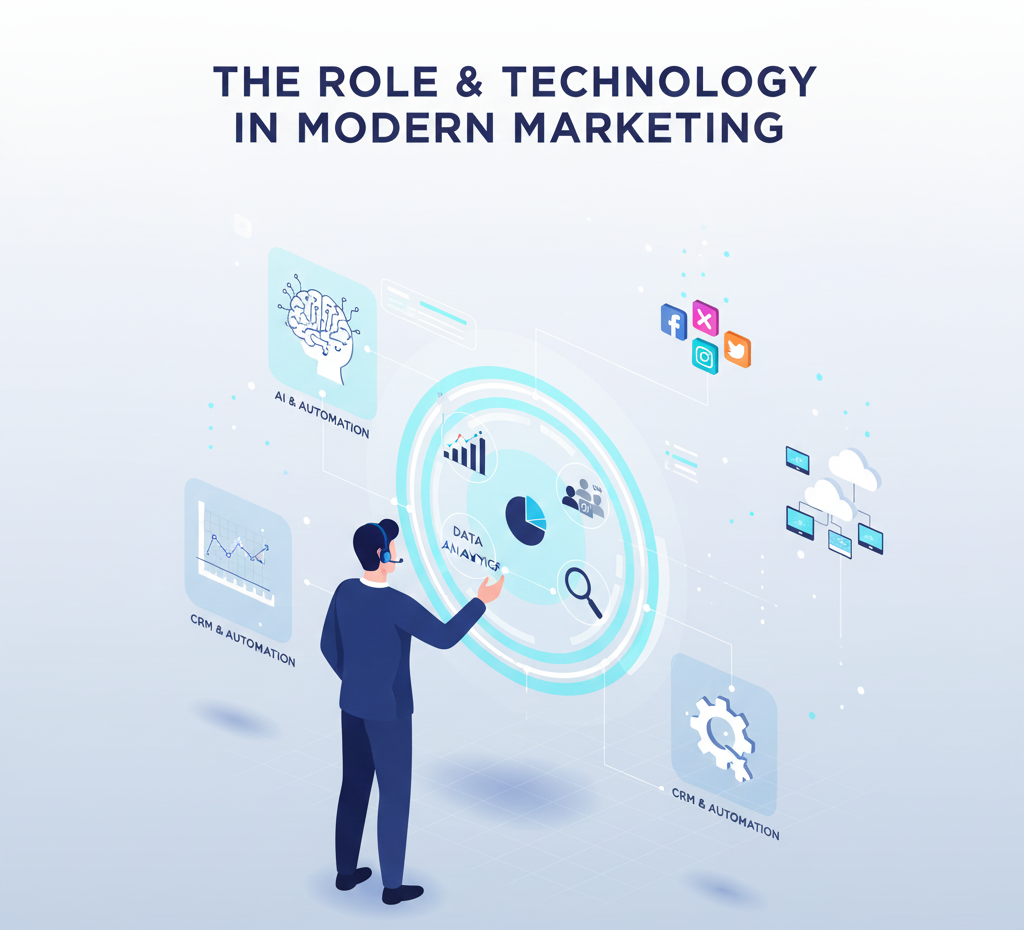
6. The Role of Technology in Modern Marketing
The root of marketing innovation in 2025 is technology. From AI to immersive technologies, advanced tools are used by businesses to empower their marketing capabilities.
- Artificial Intelligence and Machine Learning: AI drives personalization, automates repetitive tasks, enriches content creation, and predicts consumer behaviors.
- Augmented and Virtual Reality (AR/VR): AR product try-ons, VR experiences, and virtual showrooms transform engagement and elevate customer experience.
- Marketing Automation Tools: Some tools that help businesses simplify marketing processes include HubSpot, Mailchimp, Marketo, and AI chatbots.
- Data Analytics and CRM Platforms: CRM systems store critical data on customers, enabling personalized campaigns and improving retention strategies.
7. Challenges Businesses Face in 2025 Marketing
Despite opportunities, businesses face challenges in this ever-changing marketing landscape.
- Increasing Competition: Digital accessibility means new competitors can emerge overnight, which makes differentiation harder.
- Rapid Technological Change: It will require continuous learning and investment to keep pace with innovations like AI, AR, and predictive analytics.
- Data Privacy Regulations: New laws muddle data collection, forcing companies to adapt to privacy-first marketing strategies.
- Content Saturation: With millions of posts each day, making your presence noticed requires creativity and value-driven content.
- Skills Gaps: Brands struggle to find marketing professionals who know analytics, automation, and AI-driven tools.
8. How to Build a Future-Proof Marketing Plan
A future-proof marketing plan prepares businesses for continuous change and sets them up for long-term success.
- Clearly Define Objectives: Set SMART goals in line with business growth targets: brand awareness, leads, conversions, or customer retention.
- Deeply Understand Your Target Audience: Identify detailed buyer personas by using analytics, surveys, and CRM insights.
- Omnichannel Approach: Deliver consistent experiences across websites, social platforms, apps, and offline channels.
- Invest in Technology and Tools: Implement AI-driven tools, automation systems, and analytics platforms to drive efficiency.
- Create Value-Driven Content: Value educational, entertaining and user centric content that fosters trust.
- Monitor and Optimize Performance: Use KPIs, dashboards, and A/B testing to refine campaigns continuously.
Build Flexibility into Strategy: Be open to changing market conditions, new trends, and emerging technologies.
9. Case Studies: Brands Winning with Modern Marketing
1) Nike – Personalization and Community Building
Nike builds loyalty with data-driven personalization, immersive content, and community-focused apps such as Nike Run Club. Storytelling, influencer collaborations, and innovation are all key elements to driving brand engagement in their campaigns.
2) Netflix – AI-Driven Customer Insights
Netflix utilizes AI algorithms to make recommendations in accordance with what a user likes. This personalization enhances viewer satisfaction and reduces churn, reinforcing the power of data-driven marketing.
3) Tesla – Social Buzz without Traditional Ads
No traditional advertising is needed, but Tesla relies on social media outreach, community involvement, and CEO-driven digital presence to create an immense amount of buzz and organic growth.
10. Conclusion
Marketing in 2025 is more than promotion. It’s the engine that drives business growth, innovation, and long-term competitive advantage. And as technology reshapes customer expectations with a rapidly expanding array of digital channels, businesses must adopt modern marketing strategies, invest in advanced tools, and be continuously adapting.
Companies that understand the landscape of evolving marketing, put customers first, and apply data-driven insights will lead the market. So, as we head into the rest of 2025 and beyond, one truth stands paramount: not just essential but foundational to business success is marketing.