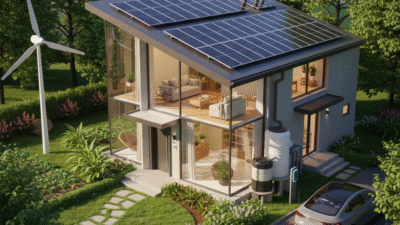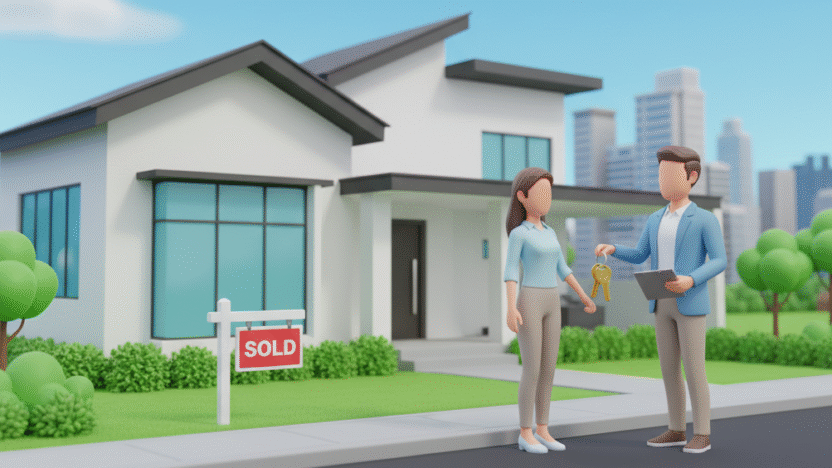
Buying a new property offers numerous advantages that go beyond owning a home. Modern properties are built with the latest designs, energy-efficient systems, and smart home technologies, ensuring greater comfort and lower maintenance costs. New homes also come with builder warranties, giving buyers peace of mind and long-term value.
Additionally, purchasing a new property allows for personalization from layout choices to interior finishes. With improved safety standards, eco-friendly materials, and better financing options, buying new is not just a lifestyle upgrade but also a smart investment that promises higher resale value and lasting satisfaction for homeowners.
Table of Contents
- Introduction
- Modern Design and Architecture
- Energy Efficiency and Sustainability
- Low Maintenance and Repair Costs
- Smart Home Technology Integration
- Customization and Personalization Options
- Enhanced Safety and Building Standards
- Builder Warranties and Guarantees
- Better Financing and Incentive
- Conclusion
1. Introduction
Buying a new property is one of the most significant financial and emotional investments an individual can make. Whether it’s your first home, a family upgrade, or a real estate investment, purchasing a newly built property comes with a wide range of benefits that go far beyond just having a fresh coat of paint or modern fixtures. New homes are designed with the latest innovations in architecture, energy efficiency, technology, and sustainability, giving buyers a sense of comfort, convenience, and confidence that older homes may not provide.
In recent years, the real estate market has seen a growing trend toward new property purchases. Homebuyers today are more informed, technologically savvy, and focused on long-term value. They seek properties that not only reflect modern lifestyles but also offer lower running costs, higher safety standards, and opportunities for personalization. Developers have responded to this demand by creating properties that blend innovation with efficiency, making the prospect of buying new more appealing than ever.
This blog explores the top benefits of buying a new property, helping potential buyers understand why investing in a newly built home is a smart and sustainable choice in today’s market.
2. Modern Design and Architecture
One of the primary advantages of buying a new property is the modern design and architectural innovation that comes with it. Unlike older homes, which may have outdated layouts or limited natural light, newly built properties are designed with contemporary living in mind.
1) Open and Functional Layouts
Modern homes often feature open-concept designs that maximize space and light. Large windows, higher ceilings, and multi-purpose rooms provide a sense of openness and fluidity, making the living environment more spacious and adaptable.
2) Aesthetic Appeal
New properties integrate modern materials, sleek finishes, and thoughtful details that create a visually appealing and harmonious environment. From minimalist interiors to modern facades, buyers can expect a balance of style and comfort.
3) Adapted for Modern Lifestyles
Today’s homeowners value functionality. Modern designs include home offices, modular kitchens, walk-in closets, and smart storage solutions that cater to evolving lifestyle needs, including remote work and entertainment spaces.
3. Energy Efficiency and Sustainability
Energy efficiency is a cornerstone of modern property design. With increasing awareness of climate change and rising energy costs, developers are prioritizing sustainable materials and technologies that reduce environmental impact and utility expenses.
1) Energy-Efficient Materials
New properties use insulated walls, double-glazed windows, and energy-rated appliances, all designed to minimize energy loss. These features maintain comfortable indoor temperatures year-round, reducing dependence on heating or cooling systems.
2) Renewable Energy Integration
Many developers are incorporating solar panels, smart thermostats, and eco-friendly lighting into new properties. These features help lower carbon footprints and make homes more self-sufficient.
3) Water Conservation
New properties often include low-flow fixtures, rainwater harvesting systems, and efficient irrigation, promoting responsible water use.
4) Green Certifications
Eco-conscious buyers can benefit from green-certified homes that adhere to global sustainability standards, such as LEED or BREEAM, ensuring reduced environmental impact and higher long-term property value.
5) Long-Term Savings
Energy-efficient homes lead to significant cost savings over time. Lower electricity and water bills, combined with tax incentives for green homes in some regions, make new properties both eco-friendly and economically beneficial.
4. Low Maintenance and Repair Costs
Older homes often come with a long list of maintenance needs, from outdated wiring to plumbing issues. A new property, on the other hand, is constructed using modern techniques and brand-new materials, minimizing the likelihood of immediate repairs.
1) Brand-New Systems and Infrastructure
Everything in a new home for electrical wiring, roofing, insulation, and plumbing is new and up to current codes. This reduces the need for costly repairs or replacements in the initial years.
2) Higher Quality Construction
Developers today use high-performance materials and technologies that are built to last, offering durability against wear and tear and extreme weather conditions.
3) Maintenance-Free Period
Most new properties require minimal maintenance for the first 5–10 years. Regular inspections are often covered under builder warranties, giving homeowners peace of mind.
4) Predictable Expenses
Unlike older homes, where repair costs can be unpredictable, new properties offer more financial stability by minimizing surprise expenditures.
In essence, new homes allow buyers to enjoy the property rather than worry about repairs, saving both time and money.

5. Smart Home Technology Integration
One of the most exciting benefits of buying a new property is the integration of smart home technology. Modern buyers expect homes that align with the digital age, and developers are meeting this demand with advanced automation systems.
1) Smart Energy Management
Smart thermostats, lighting systems, and appliances help regulate energy consumption efficiently. These technologies not only reduce bills but also enhance comfort.
2) Security and Surveillance
Many new homes come equipped with smart security systems including cameras, motion sensors, and remote locks that allow homeowners to monitor their property from anywhere via smartphone.
3) Voice-Activated Assistance
Integration with platforms like Alexa, Google Home, or Apple HomeKit gives homeowners the ability to control devices, set reminders, and adjust home settings with simple voice commands.
4) Future-Ready Infrastructure
New properties include the latest network wiring and connectivity options, ensuring compatibility with future tech upgrades like 5G and IoT-based systems.
5) Convenience and Lifestyle
Smart homes simplify everyday living from adjusting lighting to pre-setting temperatures, everything is tailored to comfort and efficiency. This level of convenience is hard to find in older properties without major retrofitting.
6. Customization and Personalization Options
Buying a new property allows buyers to customize their home before moving in something rarely possible with resale homes.
1) Choice of Layout and Finishes
Developers often offer customization packages that let buyers choose flooring, wall colors, kitchen cabinetry, and bathroom fittings to match personal taste.
2) Personalized Interiors
New homes give owners the creative freedom to design spaces that reflect their lifestyle from adding a home office to choosing smart storage solutions.
3) Flexible Space Planning
With modern architecture emphasizing adaptability, homeowners can request modifications such as open kitchens, partitioned living spaces, or outdoor decks.
4) Emotional Connection
Customization creates a stronger sense of ownership. When you participate in designing your home, it becomes a personal expression of your identity and aspirations.
7. Enhanced Safety and Building Standards
Modern construction standards have evolved significantly, emphasizing safety, durability, and resilience.
1) Advanced Structural Engineering
New properties are designed to withstand natural disasters like earthquakes, floods, and storms, thanks to improved engineering practices and materials.
2) Updated Safety Codes
Developers follow strict building codes and safety regulations, ensuring fire-resistant materials, proper ventilation, and reliable electrical systems.
3) Better Neighborhood Planning
New residential projects often include secure community entrances, surveillance systems, and dedicated emergency access routes, making them safer for residents.
4) Healthier Living Spaces
Modern homes are built with low-VOC paints, non-toxic materials, and improved air filtration systems, reducing exposure to pollutants and allergens.
Enhanced safety standards provide not just peace of mind but also long-term well-being for families.
8. Builder Warranties and Guarantees
Another strong benefit of purchasing a new property is the assurance of builder warranties that protect homeowners from unexpected repair costs.
1) Comprehensive Coverage: Most new homes come with structural, mechanical, and appliance warranties, often ranging from 1 to 10 years depending on the component.
2) Developer Accountability: Builders are legally bound to address any covered defects within the warranty period, offering buyers confidence in the quality of construction.
3) Reduced Financial Risk: These warranties protect against unforeseen issues, ensuring buyers don’t have to bear the cost of premature replacements or repairs.
4) Increased Property Value: A transferable warranty can make resales more attractive, adding value to the investment.
This protection layer is something older homes simply can’t provide without additional expense.
9. Better Financing and Incentives
Financial benefits are another major factor that makes buying new properties appealing, especially for first-time buyers or investors.
1) Developer Incentives: Builders often offer special discounts, reduced booking amounts, or waived fees to attract buyers, making the initial investment more affordable.
2) Flexible Payment Plans: New property developers typically provide construction-linked payment schedules, which ease the financial burden during the building phase.
3) Government Schemes: In many countries, governments support new housing with tax incentives, reduced interest rates, or grants for first-time buyers.
4) Lower Long-Term Costs: With energy-efficient systems and minimal repairs, the overall ownership cost of a new home tends to be lower over time, improving return on investment.
5) Higher Resale and Rental Value: New properties, equipped with modern amenities and located in developing areas, usually appreciate faster and attract higher rental yields.
10. Conclusion
Buying a new property is more than just a real estate decision. It’s a long-term lifestyle investment. From modern design and energy efficiency to smart technology and safety standards, new homes are built to provide comfort, convenience, and value for years to come.
Homebuyers benefit from lower maintenance costs, customization options, and strong builder warranties, all of which make new properties a secure and rewarding purchase. With the added advantages of better financing options and sustainable features, investing in a new property in today’s market isn’t just smart.
Whether you’re a first-time buyer seeking modern comfort or an investor looking for long-term appreciation, the benefits of buying a new property are undeniable. It’s not just about owning a home, but it’s about embracing a better way of living.