
Personal branding plays an important role in speeding up startup success by helping founders stand out, build authority, and earn trust in competitive markets. A strong founder brand boosts credibility with investors, attracts quality talent, and strengthens customer confidence. It also positions the founder as a thought leader, creating opportunities for partnerships, media exposure, and community influence.
By consistently sharing their vision, values, and expertise, founders craft a compelling story that enhances both their personal identity and their company’s reputation. In today’s digital world, personal branding is essential. It is a key growth factor for every startup leader.
Table of Contents
- Introduction
- Why Personal Branding Matters in the Startup Ecosystem
- How Personal Branding Influences Investor Trust and Funding
- Building Credibility and Authority in Your Industry
- The Impact of Founder Branding on Team Culture and Recruitment
- Strengthening Customer Relationships Through Authentic Branding
- Key Elements of a Strong Personal Brand
- Digital Presence: Social Media, Content, and Online Reputation
- Networking, Public Speaking, and Thought Leadership
- Personal Brand Mistakes Startup Founders Should Avoid
- Conclusion
1. Introduction
In today’s fast-paced startup environment, where innovation accelerates rapidly and competition grows daily, one key aspect often determines whether a startup stands out or fades into the background: the personal brand of its founder. While products, services, and business models are important, the identity, reputation, and influence of founders increasingly shape how a startup is viewed, trusted, and supported. Personal branding has shifted from a trendy term to an asset that affects every aspect of startup growth, from attracting investors and partners to gaining customer loyalty and building effective teams.
Startup founders are no longer just leaders. They are the face, voice, and story behind their companies. Every founder has a personal brand, whether they actively create it or not. The real question is whether that brand benefits or harms the business. In the digital age, where visibility spans social media, podcasts, press coverage, conferences, and online communities, a strong personal brand can support a startup mission, build meaningful connections, and drive growth.
2. Why Personal Branding Matters in the Startup Ecosystem
Personal branding has become vital in the startup world for several reasons. Startups often operate in uncertain environments with limited resources. Unlike established companies, they typically lack extensive track records, large marketing budgets, and brand recognition. In this context, the founder’s reputation serves as a trust-building mechanism that bridges the information gap.
1) Startups Need Trust to Thrive: Trust is one of the scarcest resources for early-stage businesses. A founder who shows expertise, authenticity, and consistency helps shape how people see the startup’s reliability and potential.
2) People Follow People, Not Just Products: Investors, customers, employees, and even media figures often become advocates for founders long before they support a company. A relatable, credible founder draws attention, support, and partnerships.
3) Personal Branding Helps Startups Stand Out: In crowded markets, a founder’s personal brand acts as a unique differentiator. Many startups may offer similar solutions, but no two founders have the same story, voice, or vision.
4) Personal Brands Accelerate Networking: Strong personal brands create opportunities faster, allowing founders to connect with industry leaders, potential investors, advisors, and influencers without needing introductions.
5) The Ecosystem Rewards Visibility: From speaking on panels to being featured in articles or podcasts, visibility leads to new chances. Personal branding keeps founders relevant, recognizable, and influential.
3. How Personal Branding Influences Investor Trust and Funding
Raising investment is one of the toughest stages for startup founders. Investors rarely fund ideas alone. A well-established personal brand can significantly help a founder’s case.
1) Demonstrates Leadership Capability: Investors want to see if founders possess the drive, resilience, and professionalism needed to grow a business. A strong public presence shows commitment and confidence.
2) Enhances Credibility: A founder who regularly publishes insightful content, speaks at events, or shares industry expertise shows knowledge and credibility qualities that investors appreciate.
3) Mitigates Risk Perception: Startups are inherently risky. A founder with a solid reputation lessens the perceived risk investors associate with the business.
4) Signals Long-Term Vision: Personal branding needs clarity of purpose and communication, reflecting a long-term vision. Investors prefer leaders with a strong direction and clear identity.
5) Builds Emotional Connection: Investors are human. A compelling story, authentic personality, and relatable founder journey can create emotional investment.
6) Improves Negotiation Power: Founders who are well-known or respected in their field often secure better terms, more attention, and quicker negotiation paths.
4. Building Credibility and Authority in Your Industry
Credibility isn’t built overnight; it develops through consistent action, genuine communication, and a willingness to share values. For founders, credibility acts as a foundation for building trust with customers, investors, and partners.
1) Share Knowledge Publicly: Write blogs, post on LinkedIn, or contribute to industry publications whose positions as founders are experts.
2) Show Transparency: Being open about challenges, failures, and lessons learned increases relatability and trust.
3) Engage in Thought Leadership: Thought leadership allows founders to present new ideas, challenge norms, and introduce forward-thinking perspectives.
4) Build a Track Record: Even small wins awards, certifications, interviews, and event participation help establish credibility.
5) Collaborate with Recognized Experts: Partnerships with well-known individuals or brands significantly enhance credibility through association.
5. The Impact of Founder Branding on Team Culture and Recruitment
One of the most powerful impacts of personal branding is team building. Employees today seek more than just a job. They want to work with leaders they respect and believe in.
1) Attracting Top Talent: Candidates are drawn to founders who express their vision clearly and passionately. A strong personal brand motivates people to join the mission enthusiastically.
2) Retaining Employees: A founder who is respected, approachable, and genuinely fosters loyalty within the team.
3) Strengthening Company Culture: The founder’s values, communication style, and personality often shape the cultural identity of the startup. A strong personal brand reinforces the culture effectively.
4) Increasing Team Alignment: When founders clearly articulate their mission, employees better understand it, leading to improved alignment and enthusiasm.
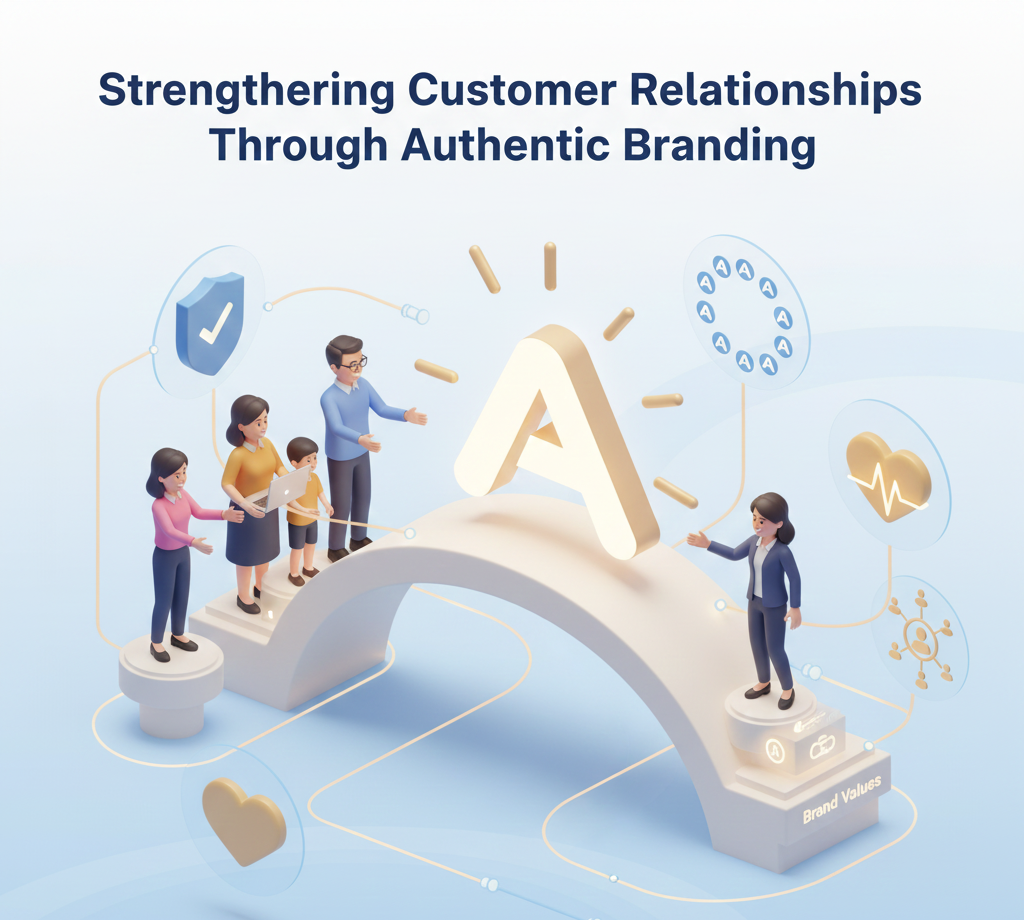
6. Strengthening Customer Relationships Through Authentic Branding
Customers now value authenticity more than ever. They want to connect with brands that have a human face and a relatable backstory.
1) Builds Long-Term Loyalty: Customers remain loyal when they feel they know the people behind the product.
2) Enhances Customer Trust: A founder who takes responsibility, responds to feedback, and communicates clearly fosters a trustworthy atmosphere.
3) Humanizes the Brand: Founders who appear in content, videos, or events make the brand feel more friendly.
4) Helps with Personalization: By building their personal brand, founders can create a tone, identity, and vision that resonates with their target audience.
7. Key Elements of a Strong Personal Brand
A powerful personal brand relies on several foundational elements:
1) Clear Vision and Purpose: Founders need to articulate what they stand for and the reasons behind their efforts.
2) Authenticity: Being genuine is the cornerstone of personal branding. Fake personas crumble under scrutiny.
3) Consistent Messaging: Consistency across social media, interviews, articles, and events strengthens brand recognition.
4) Visual Identity: Profile pictures, color choices, website design, and presentation style all contribute to the founder’s visual representation.
5) Content Strategy: Content showcases expertise and personality. From blogs to podcasts, founders should choose formats that suit their strengths.
6) Community Engagement: Personal branding thrives on meaningful interactions, not just broadcasting.
8. Digital Presence: Social Media, Content, and Online Reputation
In the digital age, personal branding ties closely to an online presence. Effective digital branding requires strategic platform use and consistent engagement.
1) Social Media Platforms: LinkedIn, Twitter (X), Instagram, and YouTube provide valuable opportunities to showcase brand personality and expertise.
2) Content Creation: Blogs, videos, live sessions, and short posts help founders build visibility and thought leadership.
3) Online Reputation Management: Handling feedback, responding professionally to negative comments, and tracking online mentions is essential.
4) SEO for Personal Branding: Founders can optimize their names for search engines to enhance visibility.
5) Personal Website or Portfolio: A dedicated site consolidates a founder’s achievements, story, and work.
9. Networking, Public Speaking, and Thought Leadership
Personal branding goes beyond digital channels. Real-world visibility enhances influence and supports startup growth.
1) Networking at Events: Industry meetups, startup conferences, pitch events, and community gatherings give founders chances to connect with important stakeholders.
2) Public Speaking: Speaking at webinars, conferences, educational institutions, or industry panels boosts founder authority.
3) Thought Leadership Opportunities: Founders can write books, publish research, or work with media outlets.
4) Mentorship and Community Support: Mentoring other founders or participating in community efforts enhances reputation.
5) Podcast Appearances: Podcasts provide storytelling opportunities that attract new audiences and deepen connections.
10. Personal Brand Mistakes Startup Founders Should Avoid
While personal branding can drive growth, mismanaging it can harm credibility. Here are mistakes founders must avoid:
1) Being Inauthentic: Creating a fake version of oneself leads to mistrust.
2) Overexposure Without Value: Posting too much without offering meaningful insights lowers brand quality.
3) Ignoring Negative Feedback: Unaddressed criticism can escalate into larger reputation problems.
4) Confusing Company Branding with Personal Branding: The founder’s brand should complement, not overshadow, the startup brand.
5) Lack of Consistency: Inconsistent messaging across platforms confuses audiences.
6) Engaging in Controversy Unnecessarily: Founders should stay professional across public channels.
7) Focusing Only on Followers: A strong personal brand reflects influence and impact not just vanity metrics.
11. Conclusion
Personal branding is now a critical growth tool for startup founders. In a time defined by digital communication, rapid innovation, and fierce competition, the founder’s identity, voice, and presence greatly influence how their company is seen and succeeds.
A well-crafted personal brand builds trust, attracts investors, inspires teams, strengthens customer loyalty, and creates opportunities that money cannot buy. It turns founders into thought leaders, storytellers, community builders, and visionaries who can guide their startups through challenges and toward lasting success.