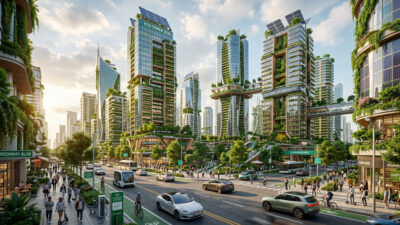
Sustainable living begins with the choices we make in our homes. It explores how eco-friendly houses play a vital role in protecting the environment, reducing energy consumption, and promoting healthier lifestyles. From using renewable materials to incorporating energy-efficient technologies, sustainable homes not only lower utility costs but also minimize our carbon footprint.
This blog delves into the environmental, economic, and social benefits of green living spaces and how they contribute to a cleaner, more resilient future. Discover why embracing eco-friendly homes is essential for a sustainable tomorrow.
Table of Contents
- Introduction
- What Are Eco-Friendly Houses?
- Environmental Benefits of Eco-Friendly Homes
- Economic Advantages of Sustainable Homes
- Health and Well-Being Benefits
- Smart Technology in Sustainable Homes
- Designing and Building an Eco-Friendly Home
- Government Policies and Incentives
- Challenges in Adopting Eco-Friendly Housing
- Future of Sustainable Housing
- Conclusion
1. Introduction
In a world facing climate change, rising energy costs, and growing environmental awareness, the importance of sustainable living has never been clearer. Every choice we make, what we eat, how we travel, and most importantly, how we live affects the planet. Homes, in particular, play a crucial role. They consume nearly 40% of global energy and contribute significantly to carbon emissions.
This is where eco-friendly houses come in. They represent more than just a design trend—they’re a vital step toward creating a cleaner, greener, and more sustainable future. By combining innovative technologies, efficient materials, and eco-conscious design principles, these homes reduce environmental impact while enhancing comfort and livability.
This blog explores the true importance of eco-friendly homes, covering their environmental, economic, and health benefits, the role of smart technology, design strategies, and what the future holds for sustainable housing.
2. What Are Eco-Friendly Houses?
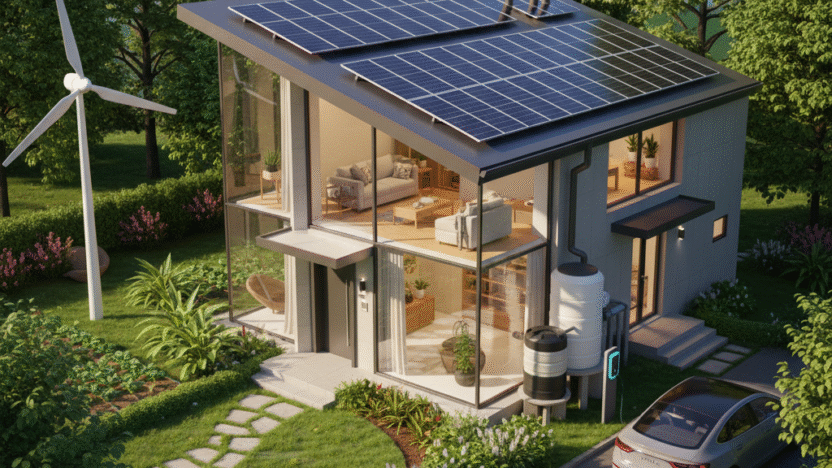
An eco-friendly house, also known as a green home or sustainable home, is designed and built to minimize its negative impact on the environment. It aims to use energy, water, and materials efficiently while creating a healthy, comfortable living space.
Key Features of Eco-Friendly Homes
- Energy Efficiency: Use of solar panels, LED lighting, and high-performance insulation to reduce power consumption.
- Sustainable Materials: Preference for recycled, locally sourced, and renewable materials like bamboo, reclaimed wood, and natural stone.
- Water Conservation: Low-flow faucets, rainwater harvesting systems, and greywater recycling.
- Indoor Air Quality: Non-toxic paints, proper ventilation, and natural lighting to improve health.
- Waste Reduction: Efficient construction techniques and waste recycling during and after building.
Concept in Practice
Eco-friendly homes go beyond energy-saving measures; they focus on lifecycle sustainability. That means considering how materials are sourced, how the home operates, and how it can be reused or recycled in the future.
The ultimate goal is to create a home that supports both the environment and the well-being of those who live inside it.
3. Environmental Benefits of Eco-Friendly Homes
One of the biggest motivations for adopting eco-friendly homes is the positive environmental impact. These houses directly address global environmental challenges such as pollution, waste, and greenhouse gas emissions.
1) Reduced Carbon Footprint: Eco-homes often incorporate renewable energy systems like solar panels or geothermal heating, which drastically cut carbon emissions compared to traditional power sources.
2) Efficient Energy Use: With proper insulation, smart thermostats, and energy-efficient appliances, these homes reduce electricity and heating costs while conserving natural resources.
3) Water Conservation: Through technologies such as rainwater harvesting and low-flow fixtures, eco-friendly homes ensure sustainable water use from an increasingly critical issue in drought-prone regions.
4) Waste Management: Green construction emphasizes using recycled materials and minimizing waste through precise building techniques and efficient material use.
5) Biodiversity Support: Eco-friendly landscaping practices like planting native vegetation to help maintain biodiversity and reduce the need for harmful pesticides.
In short, eco-homes create a harmonious relationship between humans and nature, helping preserve resources for future generations.
4. Economic Advantages of Sustainable Homes
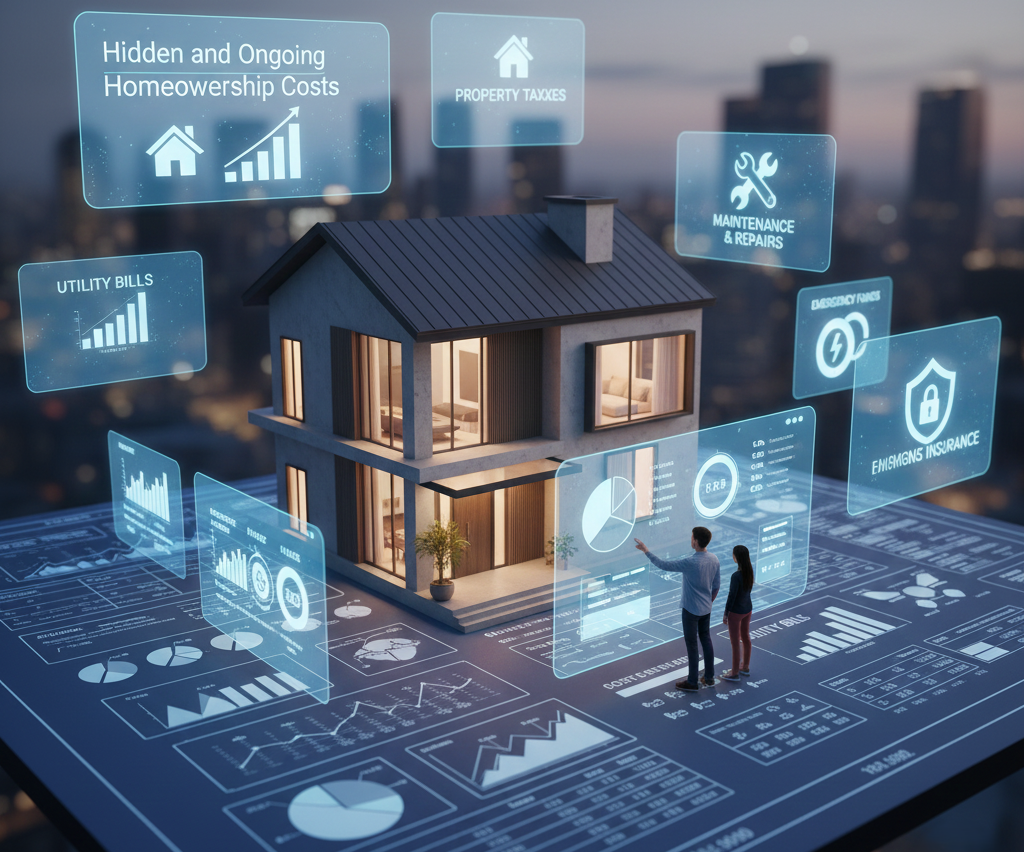
Eco-friendly homes aren’t just good for the planet, if they make financial sense too. Many homeowners are discovering that sustainability can also mean long-term savings.
1) Lower Energy and Water Bills: By relying on renewable energy sources and efficient technologies, homeowners can reduce their monthly utility expenses by up to 50% or more.
2) Increased Property Value: With rising environmental awareness, demand for sustainable homes is increasing. Properties with green certifications such as LEED or Energy Star often sell faster and at higher prices.
3) Government Incentives: Many governments provide tax credits, grants, or subsidies for installing renewable systems or using sustainable materials, offsetting the initial cost.
4) Lower Maintenance Costs: Durable, high-quality materials used in eco-homes require less upkeep, reducing repair costs over time.
5) Energy Independence: Homeowners using solar panels or other renewable systems can become energy self-sufficient, shielding themselves from energy price fluctuations.
Ultimately, sustainable homes combine environmental responsibility with economic resilience for a win-win scenario.
5. Health and Well-Being Benefits
Eco-friendly homes also significantly enhance human health and comfort. The materials, designs, and systems they employ directly impact physical and mental well-being.
1) Better Indoor Air Quality: Traditional homes often contain volatile organic compounds (VOCs) from paints and synthetic materials. Eco-homes use non-toxic paints, natural insulation, and proper ventilation, reducing allergens and pollutants.
2) Enhanced Natural Lighting: Designing with large windows and skylights not only saves energy but also boosts mood, productivity, and overall well-being.
3) Thermal Comfort: Sustainable materials maintain optimal indoor temperatures, ensuring comfort without excessive heating or cooling.
4) Noise Reduction: Insulated walls and natural materials like cork and wool help minimize noise pollution, creating peaceful living environments.
5) Mental Health Benefits: Living close to nature, whether through green rooftops, gardens, or natural light, helps reduce stress and improve mental health.
By prioritizing both the environment and the inhabitants’ well-being, eco-friendly homes support a healthier, more balanced lifestyle.
6. Smart Technology in Sustainable Homes
The future of eco-friendly housing lies in smart home integration. Technology enhances sustainability by improving efficiency, monitoring usage, and automating energy-saving actions.
1) Smart Energy Systems: Devices like smart thermostats and AI-powered energy monitors adjust heating, cooling, and lighting based on usage patterns, reducing waste.
2) Automated Lighting: Motion sensors and daylight-responsive lighting ensure lights are only on when needed.
3) Water Management: Smart irrigation and leak detection systems optimize water usage in real time.
4) Renewable Integration: Home energy management systems can store excess solar energy and even sell it back to the grid.
5) Predictive Maintenance: IoT-enabled devices detect inefficiencies and maintenance needs early, saving money and resources. Technology empowers homeowners to actively participate in sustainability while enjoying greater comfort and convenience.
7. Designing and Building an Eco-Friendly Home
Designing a sustainable home starts long before construction begins. It’s about planning holistically.
1) Site Selection and Orientation: Choosing a location with good sunlight exposure and natural ventilation reduces dependence on artificial systems.
2) Sustainable Materials: Opt for materials with low embodied energy, like bamboo, hempcrete, or recycled steel. Local sourcing further minimizes carbon footprints.
3) Energy Systems: Install solar panels, geothermal heating, or wind turbines where it is feasible to generate clean energy.
4) Water Efficiency: Incorporate rainwater collection, efficient plumbing, and water-smart landscaping.
5) Passive Design: Features like thermal mass walls, shaded windows, and natural ventilation harness the environment to regulate indoor temperature.
6) Waste Reduction: Employ modular designs, prefabrication, or circular construction practices to minimize waste. A well-designed eco-home balances form, function, and environmental responsibility from the ground up.
8. Government Policies and Incentives
Many countries recognize the importance of sustainable housing and have implemented policies to encourage eco-friendly construction.
1) Green Building Certifications: Programs like LEED (Leadership in Energy and Environmental Design), BREEAM, and Energy Star promote high sustainability standards.
2) Financial Incentives: Tax rebates, low-interest loans, and subsidies encourage homeowners and builders to adopt renewable systems.
3) Building Regulations: Modern building codes increasingly include sustainability requirements such as insulation standards or renewable energy quotas.
4) Urban Planning Initiatives: Governments promote green neighborhoods, public transport access, and community energy systems.
These policies not only reduce emissions but also create jobs, stimulate innovation, and promote long-term environmental resilience.
9. Challenges in Adopting Eco-Friendly Housing
While eco-friendly homes offer numerous benefits, adoption barriers still exist.
1) High Initial Costs: The upfront investment for green materials and technologies can deter some buyers, despite long-term savings.
2) Limited Awareness: Many homeowners are unaware of the real advantages and affordability of sustainable homes.
3) Technological Gaps: In some regions, access to renewable systems or skilled labor is limited.
4) Regulatory Complexity: Navigating green certifications, local building codes, and permits can be time-consuming.
5) Market Perception: Some buyers still perceive sustainability as a luxury rather than a necessity. To overcome these challenges, education, policy reform, and innovation are crucial. As awareness grows, costs continue to decline, making eco-friendly living more accessible.
10. Future of Sustainable Housing
The future of eco-friendly homes looks incredibly promising. With advances in materials, design, and technology, sustainable housing is becoming mainstream rather than niche.
1) Net-Zero and Positive Energy Homes: Future homes will not only consume less energy but also produce more than they use, contributing back to the grid.
2) Circular Construction: Materials will be designed for reuse, minimizing waste, and supporting a regenerative economy.
3) Smart Grids and Energy Communities: Neighborhoods will share renewable energy through interconnected systems.
4) Bio-Based Materials: Innovations like mycelium insulation, hempcrete, and 3D-printed sustainable homes will redefine eco-construction.
5) Affordable Green Housing: As technology matures, sustainable design will become accessible to all income levels.
Sustainable housing isn’t just a trend. It’s a global shift toward responsible, future-ready living.
11. Conclusion
The journey toward sustainability begins where we live. Eco-friendly homes are more than architectural marvels; they are symbols of responsibility, resilience, and innovation. They protect the planet, save money, enhance health, and redefine modern comfort.
By embracing sustainable housing today, we’re building a better tomorrow, which is one where our homes not only shelter us but also support the Earth that sustains us.
As technology advances and awareness grows, the dream of a fully sustainable lifestyle is within reach. Indeed, sustainable living starts at home.