Joint pain can affect anyone, from athletes to office workers, often disrupting daily activities and overall well-being. In this blog, we explore the causes of joint pain, from injuries and arthritis to poor posture and lifestyle habits. You’ll learn effective ways to relieve discomfort through exercise, proper nutrition, and simple home remedies.
We’ll also discuss preventive measures to protect your joints and maintain long-term mobility. Whether you’re dealing with chronic pain or occasional stiffness, this guide will help you understand your body better and take proactive steps toward lasting joint health and pain-free movement.
Table of Contents
- Introduction
- Common Causes of Joint Pain
- Recognizing the Symptoms
- Diagnosis and Medical Evaluation
- Effective Ways to Relieve Joint Pain
- Natural and Holistic Treatments
- Advanced Medical Treatments
- Preventing Future Joint Damage
- Foods That Support Joint Health
- Conclusion
1. Introduction
Joint pain is one of the most common musculoskeletal complaints worldwide. It can affect anyone young or old, active or sedentary. Whether it’s a dull ache in your knees after climbing stairs, stiffness in your fingers after long hours of typing, or sharp discomfort in your shoulders after a workout, joint pain can significantly impact daily life and mobility.
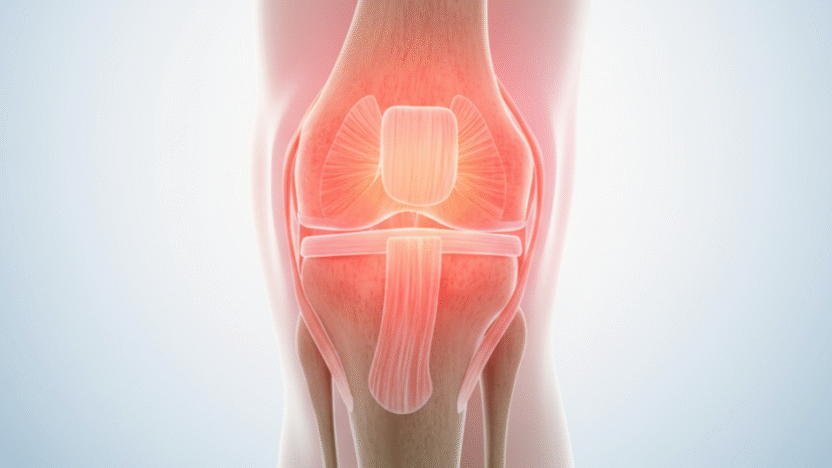
A joint is the connection point between two or more bones, allowing smooth and flexible movement. These joints are cushioned by cartilage, lubricated by synovial fluid, and supported by ligaments, tendons, and muscles. When any of these components become inflamed, worn down, or damaged, pain occurs.
Understanding the root cause of joint pain is key to finding effective relief and preventing long-term damage. Joint pain isn’t always a result of aging; it can stem from lifestyle factors, injuries, autoimmune diseases, or even dietary deficiencies. In this comprehensive guide, we’ll explore the causes, symptoms, treatments, and preventive measures to help you move freely and live a pain-free life.
2. Common Causes of Joint Pain
There isn’t a one-size-fits-all cause of joint pain. Instead, multiple factors ranging from injury to chronic disease to trigger it. Here are some of the most common causes:
1) Arthritis
Arthritis is the leading cause of joint pain globally, with over 100 different types identified. The most common forms include:
- Osteoarthritis (OA): Caused by wear and tear of cartilage, usually associated with aging.
- Rheumatoid Arthritis (RA): An autoimmune disorder that causes chronic inflammation in joints.
- Gout: A type of arthritis caused by the buildup of uric acid crystals in the joint.
2) Injuries
Sprains, strains, fractures, and dislocations can all result in acute or chronic joint pain. Even after healing, residual inflammation or scar tissue can limit motion and cause discomfort.
3) Tendinitis and Bursitis
Inflammation of the tendons (tendinitis) or bursae (small fluid-filled sacs that cushion joints) can lead to pain, especially in the shoulders, elbows, knees, and hips.
4) Overuse or Repetitive Motion
Athletes and workers who perform repetitive movements like running, typing, or lifting are prone to overuse injuries that stress joints over time.
5) Infections and Autoimmune Disorders
Viral infections, Lyme disease, lupus, and other autoimmune conditions can attack joint tissues, leading to inflammation and pain.
6) Weight and Lifestyle Factors
Excess body weight adds stress to weight-bearing joints like knees and hips, accelerating cartilage breakdown and increasing the risk of osteoarthritis.
3. Recognizing the Symptoms
Joint pain symptoms can vary in intensity and duration, depending on the underlying cause. Common symptoms include:
- Pain and tenderness in one or more joints
- Swelling or inflammation around the affected area
- Redness or warmth over the joint
- Stiffness, especially after waking or periods of inactivity
- Limited range of motion or difficulty moving the joint
- Clicking or grinding sensations (crepitus) during movement
Persistent pain lasting more than a few weeks or accompanied by fever, severe swelling, or deformity requires immediate medical attention.
4. Diagnosis and Medical Evaluation
To effectively treat joint pain, identifying the root cause is crucial. A proper medical evaluation typically involves the following steps:
1) Medical History and Physical Examination
Your doctor will ask about your symptoms, medical history, physical activity, injuries, and lifestyle habits. They will check for tenderness, swelling, warmth, and range of motion.
2) Imaging Tests
- X-rays help detect joint damage, fractures, or arthritis.
- MRI scans offer detailed images of soft tissues, such as ligaments and cartilage.
- Ultrasound can detect inflammation or fluid buildup around the joint.
3) Laboratory Tests
- Blood tests can help diagnose autoimmune disorders or infections, while fluid analysis from the joint (arthrocentesis) may identify gout or bacterial causes.
- A precise diagnosis allows healthcare providers to recommend targeted treatments for relief and long-term joint preservation.

5. Effective Ways to Relieve Joint Pain
Once the cause is identified, treatment focuses on relieving pain, reducing inflammation, and restoring movement. Here are some proven methods:
1) Medications
- Pain relievers: Over-the-counter medications like acetaminophen or NSAIDs (ibuprofen, naproxen) can reduce pain and inflammation.
- Topical creams: Gels and creams containing capsaicin or menthol provide localized relief.
- Corticosteroids: Injections or oral steroids can reduce severe inflammation, though long-term use has side effects.
2) Physical Therapy
A physiotherapist can design personalized exercises to strengthen muscles around the joint, improve flexibility, and restore normal movement.
3) Hot and Cold Therapy
- Heat therapy: Helps relax muscles and improve circulation.
- Cold therapy: Reduces swelling and numbs sharp pain.
Alternating between the two can be highly effective for chronic pain.
4) Lifestyle Adjustments
Maintaining a healthy weight, staying active, and avoiding repetitive stress on joints can make a major difference in joint health and comfort.
6. Natural and Holistic Treatments
Many individuals seek natural remedies to complement conventional treatments. Here are some effective holistic options:
1) Massage Therapy
Gentle massage increases blood flow, reduces stiffness, and promotes relaxation.
2) Acupuncture
This ancient Chinese therapy involves inserting fine needles into specific body points to relieve pain and restore energy flow. It’s particularly effective for knee and back pain.
3) Yoga and Stretching
Low-impact activities like yoga and Pilates enhance flexibility, strengthen muscles, and reduce stress. Reducing stress is beneficial for joint function and pain reduction.
4) Herbal Remedies and Supplements
- Turmeric (Curcumin): A natural anti-inflammatory.
- Omega-3 Fatty Acids: Found in fish oil, they help reduce stiffness and inflammation.
- Ginger, Boswellia, and Green Tea Extract: Known for their anti-inflammatory properties.
- Glucosamine and Chondroitin: May help repair cartilage and slow joint degeneration.
7. Advanced Medical Treatments
For severe or persistent joint pain, medical interventions may be necessary. Advances in modern medicine have made several treatments available:
1) Injections and Regenerative Therapies
- Corticosteroid injections: Quick relief from inflammation.
- Hyaluronic acid injections: Improve lubrication in the joint, especially for knees.
- Platelet-Rich Plasma (PRP) Therapy: Uses your own blood plasma to stimulate healing.
- Stem Cell Therapy: Encourages tissue regeneration and repair of damaged cartilage.
2) Surgical Options
When conservative methods fail, surgery may be required:
- Arthroscopy: Minimally invasive surgery to repair joint tissue.
- Joint Replacement (Arthroplasty): Used in severe osteoarthritis cases where damaged joints are replaced with artificial ones.
3) Assistive Devices
Braces, orthotic inserts, and canes can help reduce pressure on affected joints and improve mobility.
8. Preventing Future Joint Damage
Prevention is always better than cure. Protecting your joints now can prevent painful conditions later in life.
1) Maintain a Healthy Weight
Excess pounds put extra stress on joints, especially the knees, hips, and back. Losing even 5–10% of your body weight can significantly reduce pain and risk.
2) Stay Active
Regular exercise keeps joints flexible and strengthens the muscles that support them. Opt for low-impact activities like swimming, cycling, or walking.
3) Practice Good Posture
Proper alignment reduces unnecessary strain on the joints. Ergonomic furniture and mindful sitting or standing positions can make a huge difference.
4) Avoid Overuse
Repetitive motions can wear down cartilage and soft tissues. Take breaks, use proper form, and stretch regularly.
5) Protect Your Joints
Use protective gear during sports or heavy work. Small adjustments like lifting your legs instead of your back help prevent injuries.
9. Foods That Support Joint Health
Nutrition plays a critical role in maintaining joint function and preventing inflammation. Here are key foods that support strong, healthy joints:
1) Fatty Fish
Salmon, mackerel, and sardines are rich in omega-3 fatty acids, which reduce inflammation.
2) Leafy Greens
Spinach, kale, and broccoli contain antioxidants and calcium to strengthen bones and joints.
3) Berries
Blueberries, strawberries, and raspberries are loaded with antioxidants that combat free radical damage.
4) Nuts and Seeds
Almonds, walnuts, and chia seeds provide healthy fats, magnesium, and vitamin E for joint protection.
5) Olive Oil
A natural anti-inflammatory alternative to saturated fats that supports overall joint function.
6) Turmeric and Ginger
Both contain powerful anti-inflammatory compounds that ease stiffness and pain.
7) Citrus Fruits
Oranges, lemons, and grapefruits provide vitamin C, which is essential for collagen formation in joints and cartilage.
8) Green Tea
Packed with polyphenols, green tea reduces inflammation and may slow cartilage breakdown.
10. Conclusion
Joint pain can be debilitating, but it doesn’t have to define your life. By understanding its causes, recognizing symptoms early, and adopting a balanced treatment plan that combines medical, natural, and lifestyle approaches. You can effectively relieve pain and protect your joints from further damage.
Preventing joint pain is more than just avoiding injury. It’s about living consciously. Maintain a healthy weight, nourish your body with anti-inflammatory foods, stay active with low-impact exercises, and listen to your body’s signals.
Modern medicine continues to offer innovative treatments, but prevention through consistent self-care remains the most powerful tool. With the right mindset and practices, you can move freely, stay active, and enjoy a pain-free life for years to come.