It explores the hidden dangers lurking in the air we breathe. This blog uncovers how pollutants like particulate matter, nitrogen oxides, and carbon monoxide affect the human body from respiratory issues and cardiovascular diseases to long-term neurological impacts. Backed by scientific research, it explains how air quality directly influences public health and the environment.
The article also highlights modern technologies, global policies, and community actions aimed at reducing air pollution. Dive into the science behind the smog and discover how cleaner air can lead to healthier, longer, and more sustainable lives.
Table of Contents
- Introduction: Understanding the Air and We Breathe
- Types and Sources of Air Pollutants
- The Science Behind the Smog
- How Air Pollution Affects Human Health
- Long-Term Health Consequences
- Environmental and Societal Implications
- Scientific Research and Innovations
- Global Efforts and Policies
- What We Can Do: Steps Toward Cleaner Air
- Conclusion: Breathing Toward a Healthier Future
1. Introduction: Understanding the Air We Breathe
Air is the invisible essence that sustains all life. It is something we take for granted until it becomes harmful. Every breath we take contains a mix of gases, primarily nitrogen (78%), oxygen (21%), and traces of argon, carbon dioxide, and other elements. But in today’s industrial and urban world, this life-giving mixture is increasingly contaminated with harmful pollutants.
Air pollution has become one of the leading environmental risks to health globally. According to the World Health Organization (WHO), over 99% of the world’s population breathes air that exceeds safe limits for pollutants. This silent yet pervasive threat infiltrates every aspect of human existence from the lungs and heart to ecosystems and economies.
Understanding air pollution isn’t just about knowing that the air is dirty. It’s about recognizing how microscopic pollutants interact with human biology, causing diseases, reducing life expectancy, and threatening the stability of our planet.
2. Types and Sources of Air Pollutants
Air pollution isn’t a single entity. It’s a complex mixture of gases, chemicals, and particulate matter. These pollutants are broadly categorized into primary and secondary pollutants.
Primary Pollutants
These are directly emitted into the atmosphere from identifiable sources:
- Carbon Monoxide (CO): Produced from incomplete combustion of fuels in vehicles and industry. It reduces oxygen delivery to the body’s organs.
- Sulfur Dioxide (SO₂): Emitted by coal-burning power plants and refineries, contributing to acid rain.
- Nitrogen Oxides (NOₓ): Produced from car engines and industrial activities, leading to ozone formation and respiratory issues.
- Particulate Matter (PM2.5 and PM10): Tiny particles from dust, smoke, and soot that penetrate deep into the lungs and bloodstream.
- Volatile Organic Compounds (VOCs): Released from solvents, paints, and fuel combustion, some of which are carcinogenic.
Secondary Pollutants
These form when primary pollutants react in the atmosphere:
- Ozone (O₃): Created when NOₓ and VOCs react under sunlight for a key component of smog.
- Peroxyacetyl Nitrate (PAN): Formed from photochemical reactions, irritating the eyes and lungs.
Major Sources of Air Pollution
- Transportation: Cars, trucks, ships, and airplanes emit large amounts of CO, NOₓ, and particulates.
- Industry and Power Generation: Factories and power plants release sulfur dioxide, heavy metals, and other toxins.
- Agriculture: Fertilizers and livestock produce methane and ammonia, contributing to atmospheric pollution.
- Residential Emissions: Burning wood, coal, and biomass for cooking and heating releases PM and CO.
- Natural Sources: Wildfires, volcanic eruptions, and dust storms can also significantly affect air quality.
3. The Science Behind the Smog
“Smog” a blend of smoke and fog has become the defining image of urban air pollution. The science behind smog is rooted in atmospheric chemistry and meteorology.
When sunlight interacts with nitrogen oxides and volatile organic compounds in the presence of stagnant air, photochemical reactions occur, producing ground-level ozone, aerosols, and secondary organic particles. This chemical soup lingers in the atmosphere, reducing visibility and causing severe health hazards.
There are two main types of smog:
- Photochemical Smog (Los Angeles Smog): Found in sunny climates, formed by vehicle emissions and sunlight.
- Sulfurous Smog (London Smog): Caused by burning coal and high levels of sulfur dioxide in humid conditions.
Smog is more than just a haze. It’s a chemical weapon against health, affecting lung function, triggering asthma, and even altering DNA. The complex interaction between solar radiation, pollutants, and atmospheric conditions makes it a challenging phenomenon to control.
4. How Air Pollution Affects Human Health
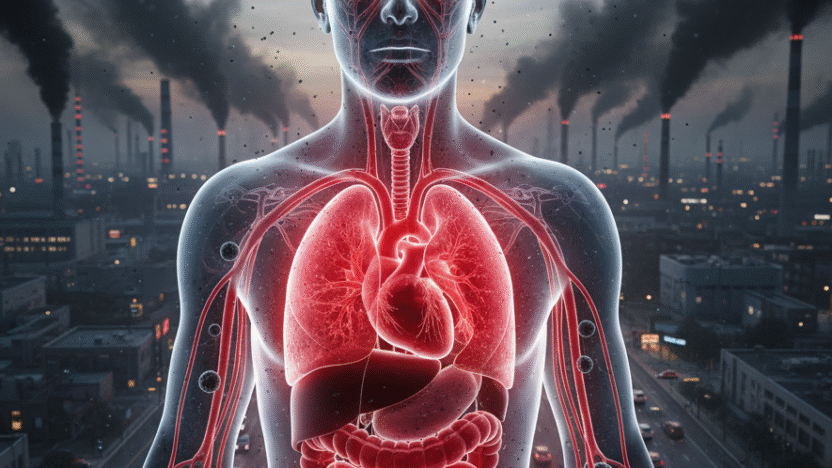
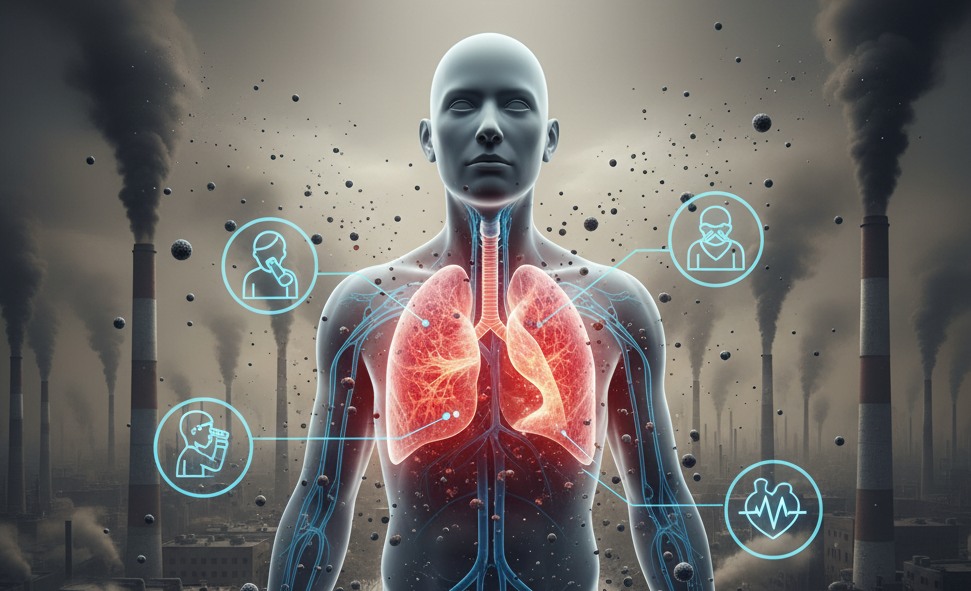
Air pollution impacts every organ in the human body. Once pollutants are inhaled, they can cause inflammation, oxidative stress, and systemic damage.
Respiratory System
- Short-Term Effects: Irritation of the eyes, nose, and throat; coughing; shortness of breath; and asthma attacks.
- Long-Term Effects: Chronic Obstructive Pulmonary Disease (COPD), lung cancer, and reduced lung function.
Cardiovascular System
Fine particulate matter (PM2.5) penetrates the bloodstream, causing:
- Inflammation of blood vessels
- Increased blood pressure
- Higher risk of heart attacks and strokes
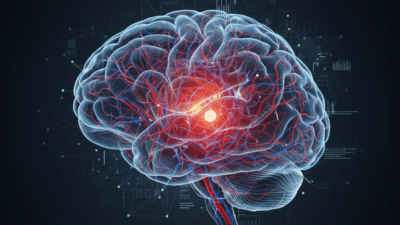
Nervous System
Emerging studies show air pollutants can cross the blood-brain barrier, contributing to:
- Cognitive decline
- Alzheimer’s and Parkinson’s diseases
- Developmental delays in children
Reproductive and Developmental Health
Pollution exposure during pregnancy has been linked to:
- Low birth weight
- Premature birth
- Birth defects and developmental disorders
Immune System and General Health
Prolonged exposure weakens immunity, leading to:
- Increased susceptibility to infections
- Chronic fatigue
- Accelerated aging
5. Long-Term Health Consequences
Chronic exposure to polluted air has far-reaching effects beyond immediate illnesses. It shortens life expectancy and increases the burden on global healthcare systems.
- Cancer Risks: Pollutants like benzene, arsenic, and polycyclic aromatic hydrocarbons (PAHs) are known as carcinogens. Lung cancer rates are significantly higher in heavily polluted cities.
- Chronic Respiratory Illnesses: Millions suffer from chronic asthma and COPD due to consistent exposure to fine particulate matter and ozone.
- Neurological Decline: Air pollution has been correlated with dementia, memory loss, and reduced cognitive performance in both adults and children.
- Premature Mortality: According to global health estimates, air pollution causes over 7 million premature deaths annually. It ranks among the top environmental killers worldwide.
6. Environmental and Societal Implications
Air pollution doesn’t only affect humans. It disrupts ecosystems, damages infrastructure, and burdens economies.
Environmental Effects
- Acid Rain: Formed from sulfur dioxide and nitrogen oxides, acid rain damages forests, lakes, and soil quality.
- Climate Change: Greenhouse gases like CO₂, methane, and black carbon trap heat, intensifying global warming.
- Reduced Crop Yields: Ozone exposure stunts plant growth and decreases agricultural productivity.
Economic Costs
The economic losses due to healthcare costs, lost productivity, and environmental damage run into trillions of dollars annually. Developing countries suffer disproportionately.
Social Inequality
Poorer communities often live closer to industrial zones or highways, facing higher exposure and limited healthcare access with a stark example of environmental injustice.
7. Scientific Research and Innovations
Modern science is revolutionizing how we monitor and combat air pollution. Innovations in data collection, filtration, and renewable energy offer hope for cleaner air.
Air Quality Monitoring
- IoT Sensors: Low-cost smart sensors now track pollutants in real time.
- Satellite Technology: NASA and ESA satellites provide global air quality mapping.
- AI and Big Data: Predictive analytics help forecast pollution peaks and guide policy actions.
Pollution Control Technologies
- Electrostatic Precipitators and Scrubbers: Remove particulates and gases from industrial emissions.
- Catalytic Converters: Reduce harmful emissions from vehicles.
- Green Infrastructure: Urban green belts, rooftop gardens, and vertical forests absorb pollutants naturally.
Renewable Energy and Electrification
Transitioning to solar, wind, and electric vehicles drastically reduces emissions, making clean technology a key ally in fighting air pollution.
8. Global Efforts and Policies
The fight against air pollution requires collective global action. Several international organizations and governments have implemented frameworks to address this crisis.
International Initiatives
- The Paris Agreement (2015): Focuses on reducing carbon emissions to combat climate change and improving air quality.
- World Health Organization Air Quality Guidelines: Provide global standards for pollutant levels.
- Clean Air Initiatives: Programs in countries like China and India target industrial emissions and vehicular pollution.
National and Local Policies
- Emission Standards: Regulating vehicles, factories, and power plants.
- Public Transportation Investments: Promoting electric buses, cycling lanes, and low-emission zones.
- Public Awareness Campaigns: Educating citizens on pollution sources and prevention.
Though progress has been made, enforcement remains inconsistent, and industrial interests often outweigh environmental priorities.
9. What We Can Do: Steps Toward Cleaner Air
The path to cleaner air starts with individual responsibility and collective action.
Individual Actions
- Reduce Vehicle Use: Walk, bike, or use public transport when possible.
- Adopt Clean Energy: Switch to renewable power sources at home.
- Avoid Burning Waste: Dispose of trash responsibly and recycle.
- Use Energy Efficiently: Choose appliances with lower energy consumption.
- Plant Trees: Green spaces naturally filter pollutants and produce oxygen.
Community and Organizational Actions
- Support local clean-air initiatives and demand stronger policies.
- Encourage corporate sustainability practices.
- Participate in citizen science by contributing to air quality data collection.
Every action, however small, contributes to the larger movement toward cleaner air and healthier living.
10. Conclusion: Breathing Toward a Healthier Future
The story of air pollution is one of progress and peril. Industrialization has advanced humanity, but at the cost of the very air we breathe. Science has uncovered the invisible dangers with the smog that clouds cities and the microscopic particles that invade our bodies. Yet, it has also given us the tools to fight back.
As we breathe in the air around us, we must remember: every breath connects us to our planet. The cleaner we keep it, the healthier and longer we live.
The future of humanity depends not just on the technologies we build, but on the air that fills our lungs.